Meet Shelley Sackier, author, blogger, pilot and whiskey drinker

Today I’m delighted to welcome Shelley Sackier, creator of the always entertaining blog – Peak Perspective – and author of the upcoming teen novel DEAR OPL.
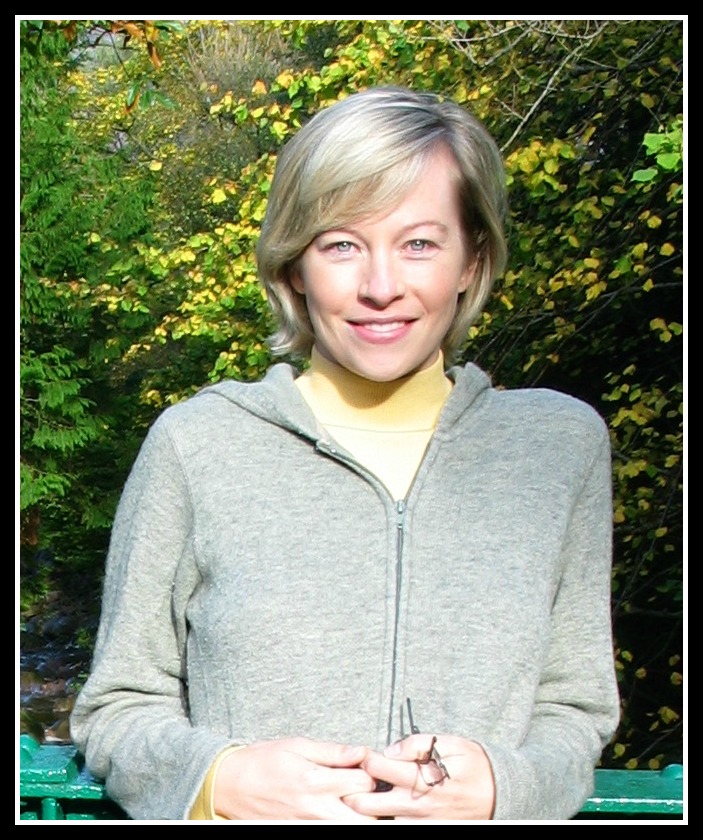
Shelley Sackier author photo3JTT: Hey Shelley – thanks for being here!  First of all, how did you come up with the title Peak Perspective?

SS: The blog title and tagline (Peak Perspective: trying to see above the fog.) was born of both sight and wordplay. I live in the Blue Ridge Mountains. I’m surrounded by mountains, and living on top of one gives me a spectacular view, except when it doesn’t. Some days I’m fogged in, occasionally I’m above the cloud base, but most days, the scene is truly breathtaking and allows me a view of three counties. As I’m always staring out one window or another for a moment of inspiration, rare is the day when something remarkable does not flit across my field of vision. It’s a little like living on the live set of a National Geographic special filmed by the Weather Bruichladdic viewChannel. Some days are truly spectacular. Some days are scary. A couple have made me think that it might be time to start doing bladder strengthening exercises.

JTT: Please send me a copy of those bladder strengthening exercises ’cause I need ’em.  With those spectacular views there must be a lot of artists living in your part of the world however your illustrator, Robin Gott (who I just adore), lives in Essex England. How did you find him?  
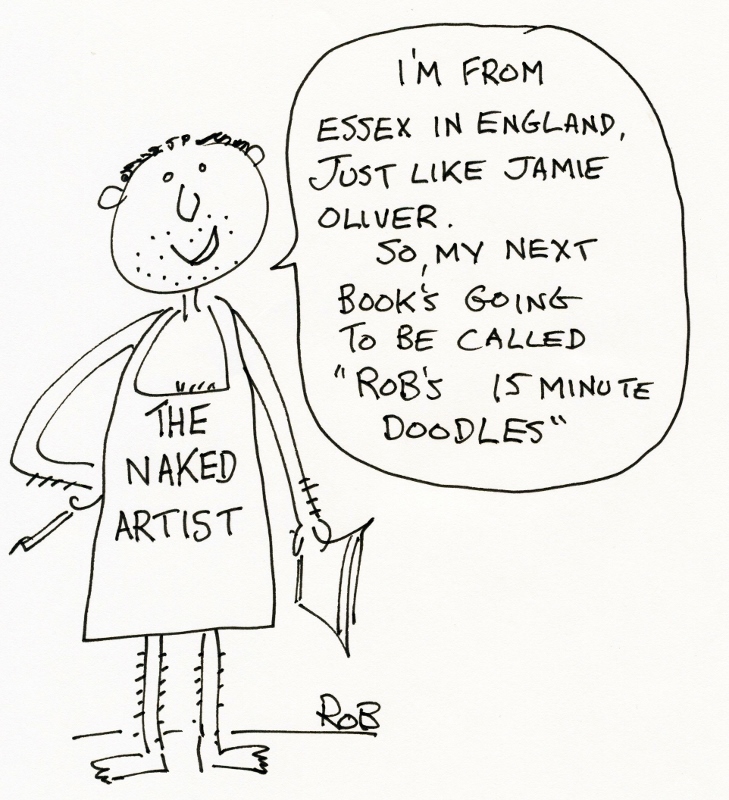
040813nakedartist (729x800)

Cartoon courtesy of Robin Gott

SS: I love the fact that Rob and I live in separate countries and have worked together for a few years but have never met. There’s something so remarkably “today’s business world” about that. We were introduced years ago and had almost worked together on a different project. The blog venture just sort of spilled out of that serendipitous past.

Robin is one of those incredibly multi-talented folks whose craft spills over into myriad dimensions. Animation, acting, drawing, writing. His work is prolific and I feel so fortunate to have this time to be creative with him. I’ve discovered what it feels like to work with someone whose brain will likely be preserved for science.

However long the blogging business keeps us artistically woven together, I can think of so many other missions I’d like the two of us to take a crack at. Time will tell. Fingers are crossed. Pencils are sharpened.

JTT:  Blogging does provide us with some interesting bed fellows doesn’t it?  Well, ”bed fellows”isn’t exactly the right term.  Collaborators?  Gads, that’s not much better… (help me troops!)

Haggis in glasses

Haggis of Peak Perspective

Speaking of blogging, I’ve been in awe of your blog for a long time.  I wonder if you’d mind sharing some blogging tips and tricks (or is it top secret)?  When did you start?  How did you build your incredibly supportive audience? 

SS: Well, firstly, thank you for saying so. That’s the hope of so many writers. Tips and tricks? I think, as with so many things in life, you have to be willing to stick your neck out and embrace vulnerability. And even more importantly, you have to be willing to fail. I’ve gotten pretty good at kicking myself out of safe mode, skinning both knees, and then moving on. There’s so much to learn when you make mistakes. Being careful does not make a terribly exciting life. And I crave challenge. And chocolate. I’m not sure which I devour more.

Also, it might be extraordinarily helpful to have a roadmap—a story grid of a sort. Why are you blogging? Is it to share wedding photos? A trip to Dubai? Your time in the slammer? It helps to understand what the end goal is.

My blogging exploits began strictly to develop a skill I thought I needed improvement with—churning out about 1000 words on demand. Butt in chair, holler to muse, write the damn essay, finish the laundry. When you devote attention to something every day, bit by bit the challenge begins to feel increasingly more comfortable. Welcome to the new normal.
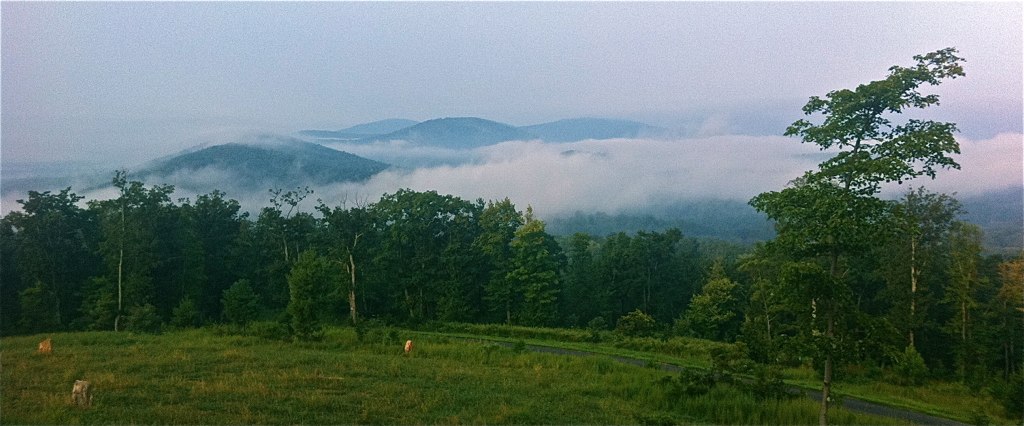
Jonathan Sackier Blue Ridge Mountains VirginiaAnd building the supportive audience comes from caring about what people have to say. There are so many wildly interesting people on our planet, each with a distinctive voice, and I find it’s like a funky orchestral hot mess when I engage with everyone. It’s a huge time commitment, and I’m not looking forward to the approaching day when I’ll have to back off because of other writing commitments—ones from people who are actually paying me to produce work for them, but I’m hoping to have at least created a community of people who can carry on the conversation if I’m not there and who have made worthy friendships simply from having had my blog site been their playground.

JTT: “Butt in chair, holler to muse, write the damn essay,” AMEN!  However, you did manage to finish DEAR OPL while building your audience.  Congrats on that major accomplishment.  You deserve chocolate, lots of chocolate.  However, I know from reading DEAR OPL (and your blog) that keeping our food safe, nutritious, and delicious are important issues for you.  I don’t want to spoil the plot for potential readers but the main character, Opl,achieves some amazing things while battling a common bugaboo for many of us growing up:  a negative self image.  At first, I have to admit I thought the mother was cruel – always making a big issue of Opl’s understandable weight gain (I mean, she had just lost her father!) but by the end you managed to make the mother sympathetic.  I think it had to do with Opl’s growing awareness that staying healthy need not be an arduous task. Was personal experience a motivation for writing DEAR OPL?

SS: I’ve had food issues for as long as I can recall, but not of the same type as Opl. Working in the entertainment industry, one gets judged every which way but Sunday. It was brutal. Costumes were measured and remeasured on a regular schedule. If you lost a pound of sweat during a show from exertion, and your waistband had a half an inch worth of give in it, it was immediately sewed shut. I survived for years believing that fat was an enemy and that tinned peas and Cream of Wheat was my culinary lot in life. This was horrifically rough for someone who grew up in a family full of caterers, butchers and chefs. I loved food, but was always being deprived of it because of the fearful sweeping top to bottom gaze of an unforgiving producer or director.

I was determined to raise kids with the idea of nutrition as the motivating factor for meal planning and food education, and didn’t want to create battles over what we put into our mouths. I knew that as my kids grew more independent I’d lose a lot of sway over what they’d be choosing to eat. I knew that layering information in small bite-sized chunks, and also walking the talk would be important components of whether or not they’d remember what I’d said, and did as I advised. Most importantly, indulging in food they knew I’d cringe at was a given, but I hoped that they’d pay attention to the correlation between what they ate and how they felt afterward. I know the pressures teens feel when trying to fit in with their friends, and that sometimes food issues become friendship issues. In my mind, I believed they’d make diet related decisions based on things other than what the crowd was doing. They learned to love good food, and cooking it themselves has been an ongoing joyful discovery.

JTT: You’re absolutely right – making decisions about what to eat based on how you will feel afterwards is far wiser than going along with the crowd but it is a hard lesson for many teens to learn. On your blog you’re doing an excellent job of what marketeers call “building your platform” and so I’m fairly confident this next question will be an easy one for you to answer, please describe Dear Opl’s ideal reader?  Who are you talking to?  What do you hope your readers take away from the book?

IMG_0694SS: DEAR OPL’s reading base is 9 to 13 year-olds, but I’m hoping to attract kids who may be in a similar situation as Opl—those who feel like they are either losing the battle with weight, or who feel they can’t stop eating junk food, but mostly kids who are desperately looking for a bit of direction. People don’t realize how much help is available and often give up before they’ve even begun.

My hope is that Opl will be able to communicate that there is no “magic pill,” and that change can happen in small ways that have a ripple effect result. If we expect to shift the habits of a lifetime, it requires education, support, patience and faith that you’re doing the right thing. (And a big dose of self-forgiveness when you don’t.) I feel that all too often we’re told by marketers to expect a miracle effect with their slick headline promises and a mind-blowingly easy overnight success. I’m hoping to impart some savviness.

JTT:  You’re absolutely right – kids are bombarded by “lose weight overnight” ploys which are nothing by quackery.  It’s horrible.  Speaking of horrible, now onto the uncomfortable revelations part of the interview (just pretend I’m Barbara Walters).  You’re a pilot and whiskey drinker, is that correct?  Were you also abducted by aliens like other famous whiskey-drinking pilot drinkers, i.e., Harrison Ford? Please describe some close encounters of the third kind you’ve had while soaring through the clouds.

SS: Really? Ford was abducted?

JTT:  Whoops, sorry.  I was actually thinking of the drunken pilot from the movie thThe Fourth of July who saves the world from aliens somewhat in retaliation for having been abducted by them. 

SS:  Well, flying and whisky have been a significant part of my life. Although, never at the same time for obvious reasons.

When I was first learning to fly, in order to gather up the courage to do solo night flying (which is incredibly different than daytime flying — you’ve got nothing but a Lite-Brite board beneath you), I’d belt out the theme song to Raiders of the Lost Arc while doing finals and preparing to land the aircraft. You have to acquire a fair amount of knowledge to fly and land an airplane, and a teensy bit more if you’re hoping to reuse it. But you also have to have an element of faith. 

Also, having an old codger for a flying examiner was a lucky thing. I think he realized as I was taking my final physical flight exam that I was still too timid with the aircraft. He took the controls and shouted, “You’ve got to manhandle this beast, lass! And you’ve got to know its limitations.” He then proceeded to pull the plane up into a stall and let her do a falling leaf pattern for about twenty seconds before recovering the aircraft. Kept telling me, “She ain’t gonna break!”

nightflying

Flying at night

I think that was about as close to an extra-terrestrial experience as I’ve ever had, as I was fairly sure I’d not live to walk on our planet again.

JTT:  I love that story! My father was a pilot – he loved to get me into his little Cessna and do loop-de-loos! Okay, here’s your chance for revenge, what embarrassing question would you like to ask me?

SS: You see, this is where I’m struggling, Jan. I can find absolutely no dirt on you. You are one of the most impressive humans I’ve come to know. Your work with the Make a Wish foundation, your advocacy for at risk foster children, your books, your blog, your terrific writing … yeah, I got nothin’.

But maybe I’ll ask the question readers are probably wondering: how is it that you can get so much done in one lifetime?

JTT: How sweet of you but perhaps I should have given you my ex-husband’s phone number!  

Whenever I hear the theme song from Raiders, I’ll think of you soaring across the skies! Thanks so much for taking the time to talk with me and best wishes for the release!  


IMG_0693

DEAR OPL’s back cover

DEAR OPL is available for pre-ordering on Amazon here.  The official release date is August 4, 2015.  Here’s my review:

DEAR OPL is an honest look at a problem facing many young teens: negative self-image brought on by weight gain.  It is also the story of a family trying to move ahead after a catastrophic loss.  Young OPL (who left the “A” off her name in order to lose weight – LOL!) has a talent that surprises her classmates and gives her an outlet for the ongoing frustrations of teen life.  She can blog!  In fact, she rapidly becomes a blogging superhero as “Dear Opl” dispelling advice to her peers with an abundance of sass and wit.   But she doesn’t just make a difference in her own life, she reaches out and makes a difference in the lives of others. 


 No update on the letters from Sweden – but as soon as I find someone to translate, I’ll let you all know!
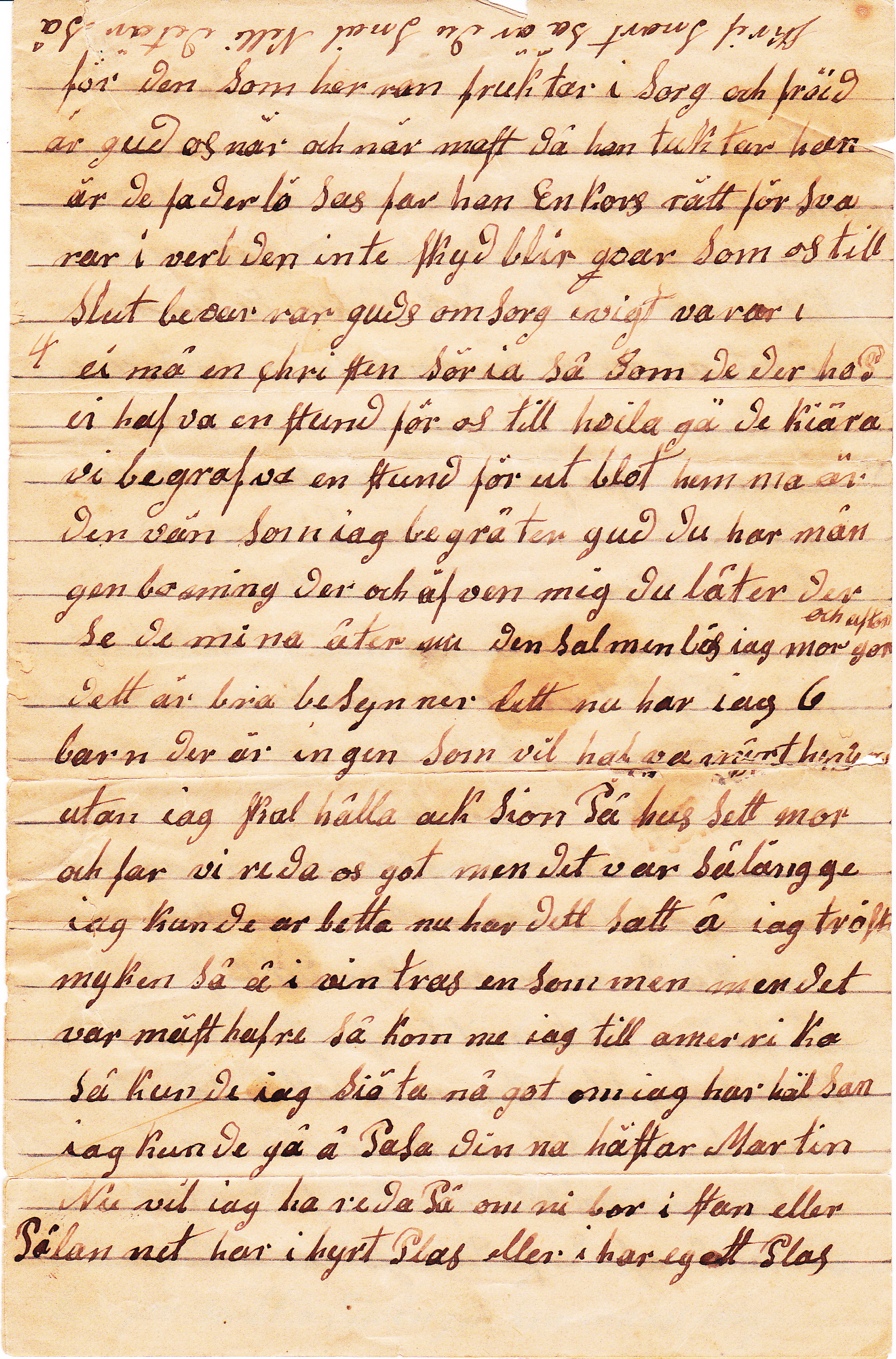
Letters in Swedish . . . author unknown

After taking a break to ponder the delights of gibberish, I’m back to pulling skeletons out of the family dirty laundry hamper.  Perhaps I’ll find an even more illustrious ancestor than Deacon Samuel Chapin!  What do you think?Letter_0004

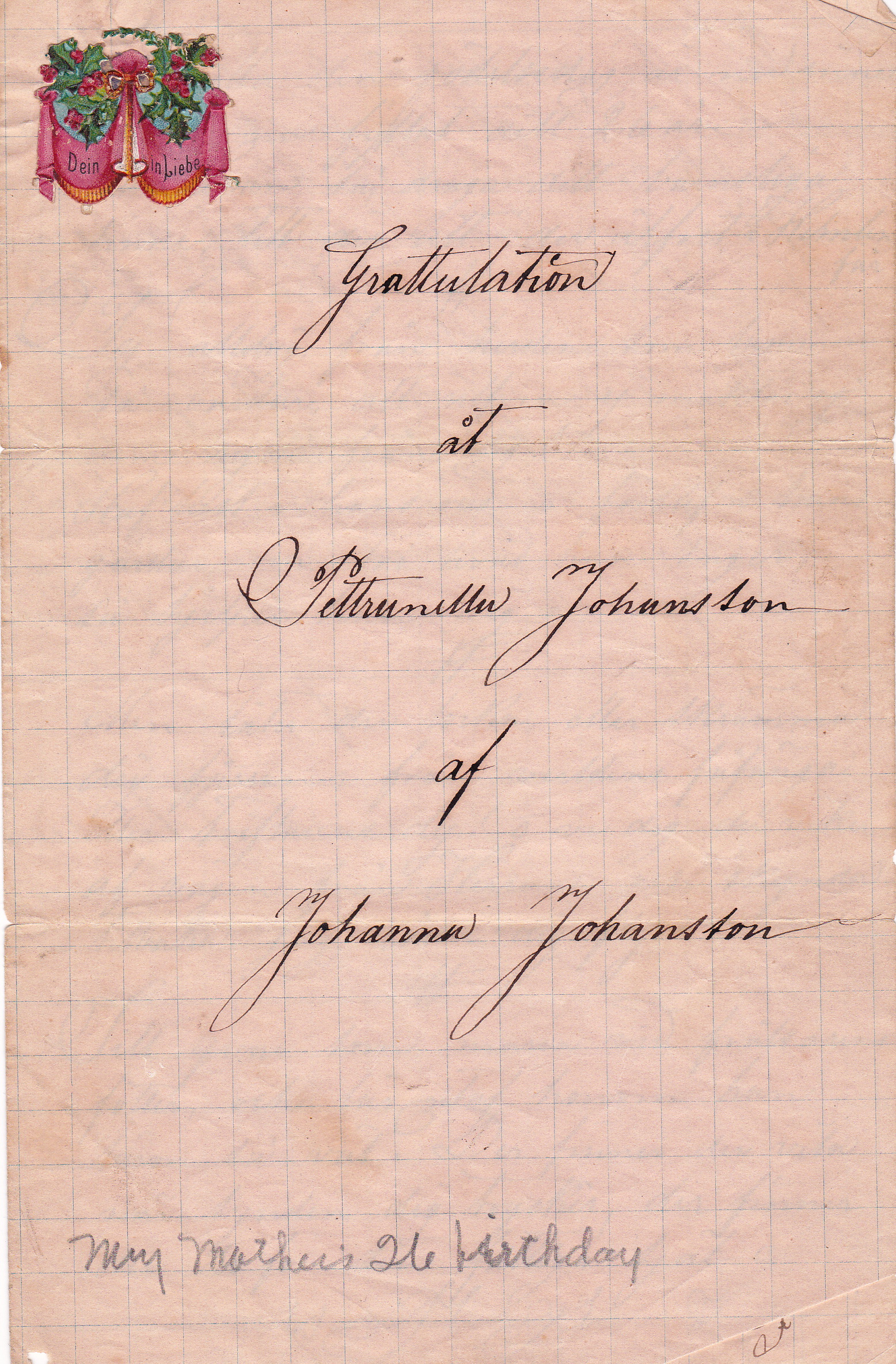
This is one of fourteen letters which were written in the late 1800s to my great grandmother, Nellie Nelson, from someone in Sweden (supposedly . . . we do not have the envelopes to prove this fact).  Nellie died after many years of ill health when her daughter (my gram) was only fifteen years old. After her mother’s death, Gram’s father, who must have been a dour old poop, refused to translate them for her.  He refused to even tell her who they were from.  His stance was “good riddance to old rubbish” and apparently Sweden and every thing Swedish and every one of their Swedish family and friends were old rubbish. Letter_0011

The only clues I have are the notes in my grandmother’s handwriting on the top of a couple of the letters, conjuring up the heartbreaking image of a young girl kneeling beside her mother’s deathbed hoping to learn something about her heritage. Probably while her father was out of earshot.   Letter_0007

Although she had little idea what was in them, Gram cherished these letters her entire life as my mother does now. Today they are very brittle, falling apart in my fingers as I put them on the scanner.  Paper that old should probably be handled by an expert and not someone as klutzy as me but time is of the essence, at any point they could be lost or turn to dust.  

Letter_0013

The one above seems to be in a different hand, meaning that more than one person sent Nellie Nelson a birthday wish or wrote to tell her of family events.  However, the only thing I can glean from these fossils is that Nellie’s real name was Pettrunella Johansson (no wonder she went by “Nellie”). What will happen when I do find someone to translate them?  Do I really want to know the secrets they contain or do I want to assume they were filled with cherished stories from the old country?

Bobbins, Shuttles and Shekels

Daisy spent much of her life in museums and churches transcribing records relating to her husband’s family history. Otherwise, I don’t much about her, nor did my mother (her niece).

She was married to my great uncle Henry who was about ten years older than my grandfather and, from the photos I’ve seen, very handsome. I never met him. I don’t think. Although my mother often mentioned Marie Ange, her French Canadian aunt, with a softness so uncommon in her family.

And so I assumed (as did Mother) that the exhaustive research on Henry’s background had been done by Marie Ange.

Chapin
My only claim to fame! Looks like a jolly fellow, doesn’t he?

 Her intent was to prove a link back to Henry’s famous ancestor, Deacon Samuel Chapin, one of the founders of Springfield Mass. However because Chapin arrived in this country in 1635 and fathered seven wildly fertile children, the family tree is split into a thousand tributaries. Still Henry’s wife persisted. It was an endeavor that took her all over New England and even across the pond to St. John Baptist Church in Paignton, England which houses Chapin family records dating back to the 1500s .

Will2
Family history written in 1910 by Daisy

Once she completed her investigation she sat down to write an account of the family history. The problem is, she was a genteel lady of her times, devoutly religious and intent on writing a glorious account of the family that would make us all proud.  For this reason certain not so glorious moments were carefully wrapped in delicate lace and sweetened with lavender, such as this account of my great-great-great grandfather, Samuel Jameson.     

Permit me to say one thing: he was a man of strong intellect and reasoning powers: but few men had such a memory: he could repeat any passage of Scripture you might mention.    

Wonderful! Sounds like another jolly fellow to hang out with!  However, reading on we learn that this scripture spouting dude went south “for his health” leaving his wife and four children to fend for themselves:

Note:  Mrs. Samuel Jameson became housekeeper for Dr. Lucius Wright of Westfield, working for her home and from time to time the Dr gave her money for what clothes she needed, in lieu of wages.  The children were placed in homes and had to work for their board and living. Mrs, Jameson died in the Dr. Wright’s home.
shekel
Hebrew Skehel courtesy of Bing images

I don’t know why this detail is in a note.  Perhaps so we won’t think unkindly of one of our noble ancestors.  Who knows.  

IMG_0677

On the next page she details the fate of the poor children of Mrs. Samuel Jameson:  Philander (what a name, hey?) became a manufacturer of bobbins and shuttles* who married – what else? – a dressmaker!  Samuel Jr went west in search of gold and was never heard from again. Abiezer married Mahala Chapin, evidently in an attempt to improve the gene pool.  Lastly there was poor Calvin.  After being “mustered” and then injured in the Civil War he became a collector of rare coins, including: “a Hebrew shekel of a very high antiquity and 2 cent English pieces of the years 1001 and 1098.”  Who knows what happened to those rare family gems?  At this point she’d reached Abiezer, my great-great grandfather, and thus proven the connection between the Jamesons and Chapins.  Hurrah! My claim to fame has been validated. 

Despite my sarcasm, it is a truly wonderful document, even if the interesting and telling sections are housed in notes.

* bobbins and shuttles = parts of a sewing machine

**muster = to call the troops to action  

Reindeer Herders and Lovesick Photographers

Sorting through old pictures and documents has left me in a funk, primarily because they detail lives I know were hard, where victories were probably few and disappointments many.  However, given the fact that over half my ancestors came to this country in the late 1800s, a time when travel was arduous and a future uncertain, I have to conclude that conditions in the countries they left – Ireland, Norway and Sweden – were much worse. 

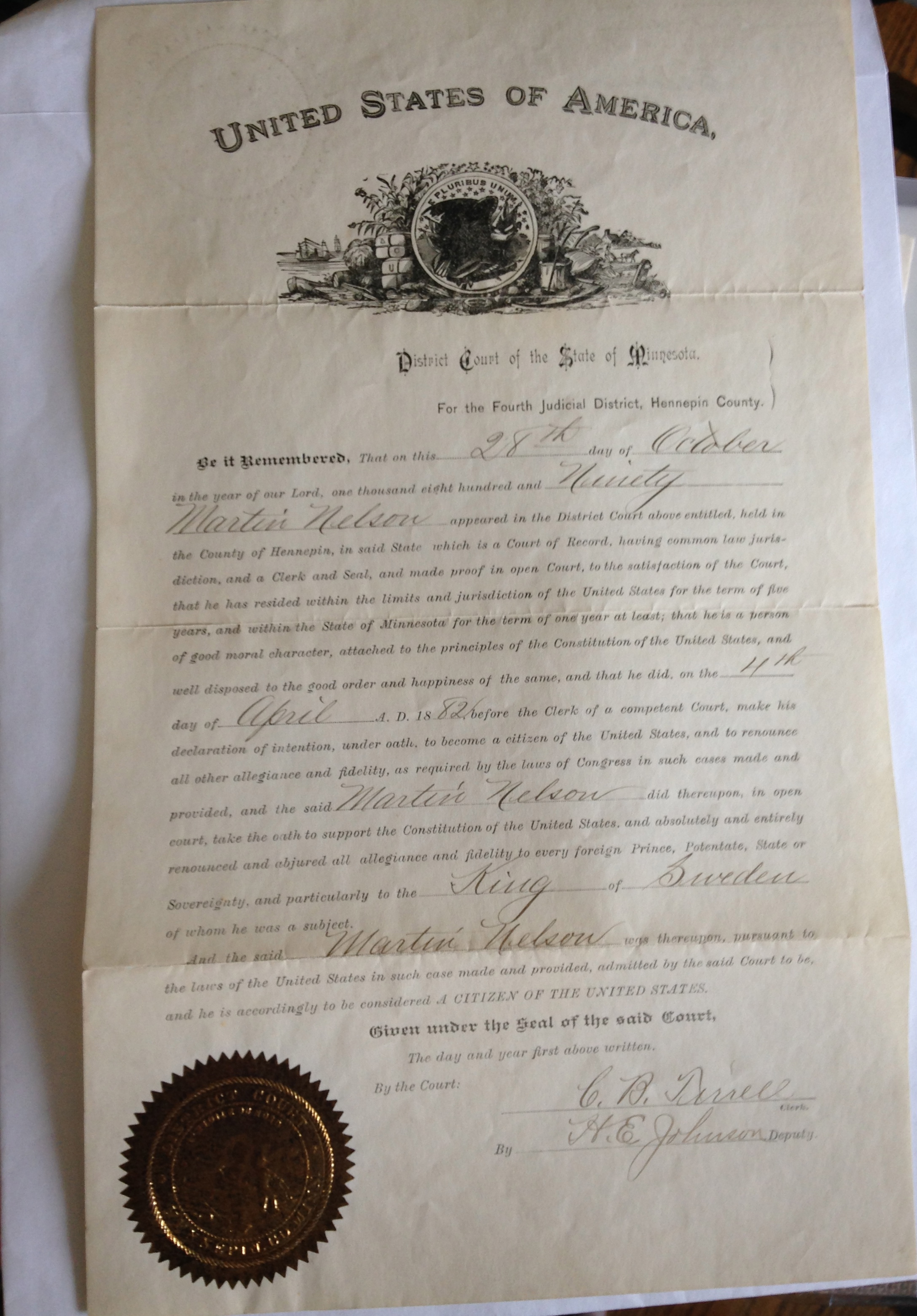
Citizen

Citizenship papers circa 1880

The Irish diaspora has been widely analyzed.  As anyone who’s read Angela’s Ashes knows: “Worse than the ordinary miserable childhood is the miserable Irish childhood, and worse yet is the miserable Irish Catholic childhood.” So no mystery there.  However, over one million people migrated from Norway between 1880 and 1920, which represented almost a ninth of their population. Can you imagine?  One in every nine people suddenly disappearing?  And to where?  Some barely settled land across an endless sea. 

The number of Swedes fleeing the motherland was far higher, however they had more folks to piss off and so Norway wins the distinction for the biggest brain drain of the north. There’s only one explanation officially given as to why Nordics fled the land of cod liver oil in hordes: crop failure.  Really?  In a land of long dark winters and never-ending summer days, what crop could have survived in the 1800s?  Other than cod, that is. 

I suspect there were other reasons such as lack of opportunity,  however you’d think those poor souls who left behind beloved grandmas, mothers and cousins would yearn to return to the warm hearth of youth for at least a visit, wouldn’t you?

Well my ancestors never did.  Once in the US, they turned their backs on the old world including its customs and languages.  As a result I never heard tales of the old country nor did I hear mother tongues being spoken. And so, I did what any ordinary child would:  I made up stories.

Lovebirds

Just a couple of wild and crazy reindeer herders from Lapland!

These two love birds supposedly stole away on a merchant ship from Stockholm in the 1880s.  Because they had the same last name my mother theorized they were cousins who fell in love and had to run away in order to get married.  I went a little further and decided they were brother and sister.  (I’d been reading far too many Swedish novels and plays at the time.)

Reindeer

Lars and Helga won’t you please come home? Mother misses you!

Someone who knew the real story wrote a letter to my grandmother in the 1930s.  Sadly the letter is in an obscure Swedish dialect that no one can translate.  This has lead me to conclude my great grandparents were not Swedish at all but incestuous reindeer herders from Lapland.

My great grandfather on the other side was from Vang Norway but the only way I found out anything about him was through a google search.  

Flaten

Ran off with a Sioux Warrior Princess?

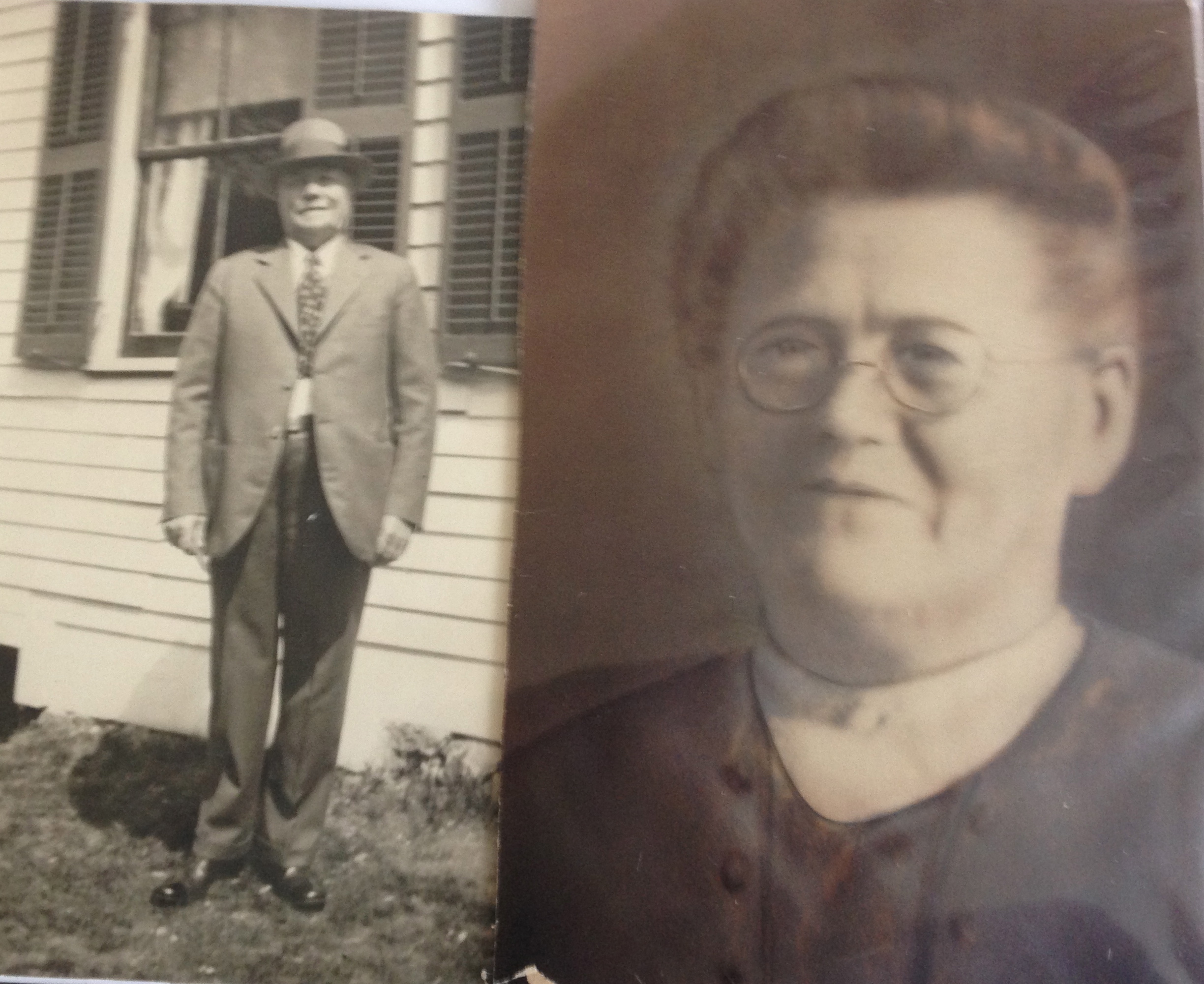
He had the misfortune to die just after my grandmother’s birth and, after his widow married The Judge (by all accounts a man sans any sense of humor or love for children), Gilbert Flaten’s memory was left to wither on the vine.  When I asked my father what happened to his real grandpa I got this answer, “he just died.”  No matter how much I nagged him, I got the same response, “he just died.” When I asked what he did for a living all I got was “he was a photographer.” 

And so naturally I assumed that while photographing prairie life around his home (Fargo North Dakota), young Gil fell madly and passionately in love with a Sioux warrior princess and, unable to resist the temptation to ride the plains on horseback chronicling the lives of the noble Sioux, he soon abandoned the restraints of Victorian life.  

My version of his story seems logical, doesn’t it? 

Well, that’s not exactly what happened. After my father’s sudden death, I sat down at the computer and out of nowhere got the urge to google Gilbert Flaten.  Here’s what I found out. 

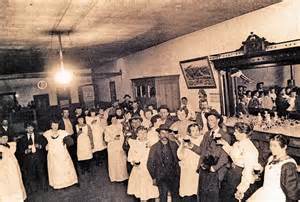
saloonThe real reason they  never spoke of him is that he ran a saloon during prohibition.  Horrors!

signageBut he also ran a successful portrait studio and worked for the volunteer fire department before his premature death at 40 from some ungodly flu.

Okay – now that I’ve got ancestors on both sides rolling in their graves, I’ll sign off with a salute to all those wonderful folks who left family and homelands to travel to this crazy country!  Happy Fourth everyone!

STUFF

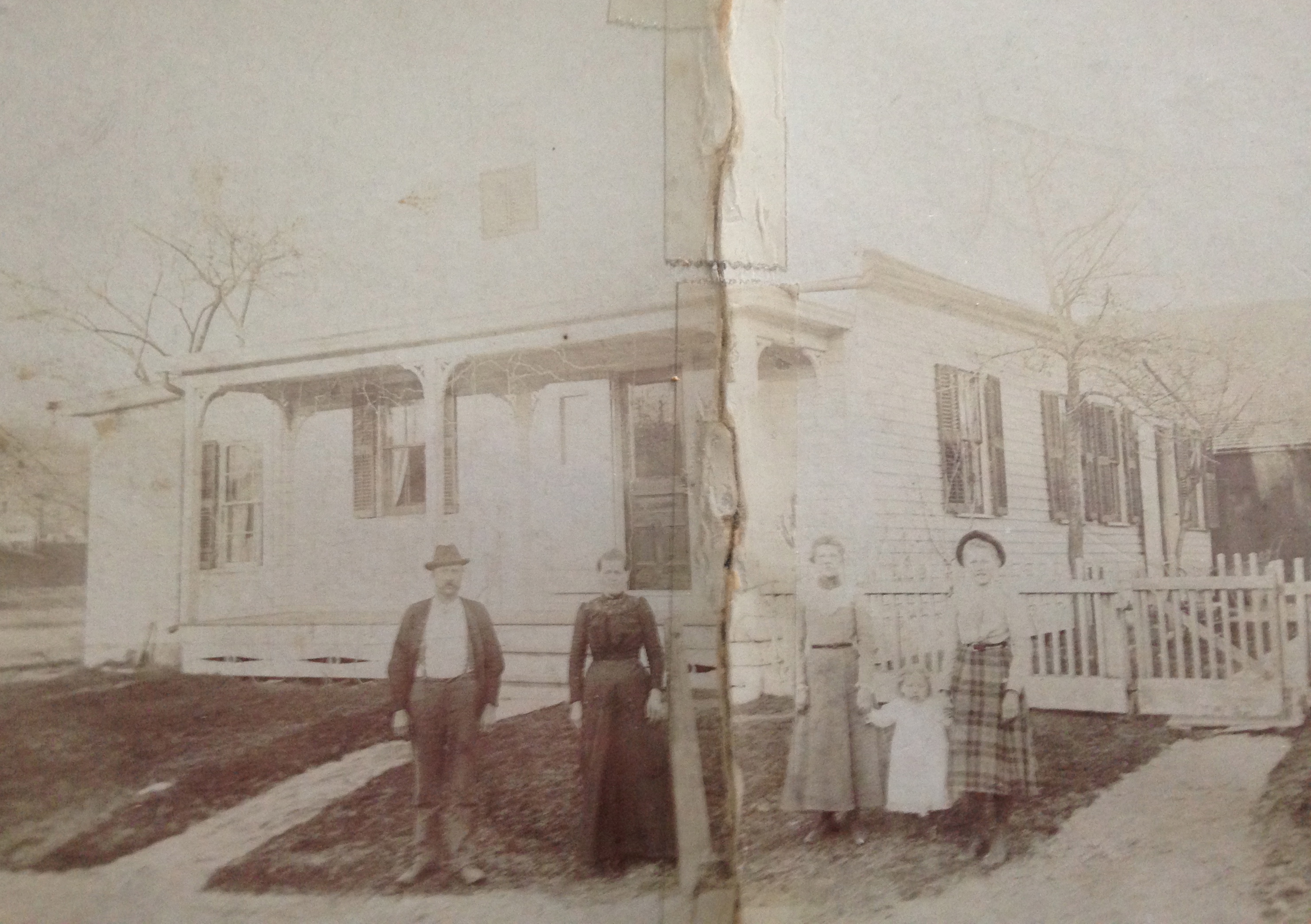
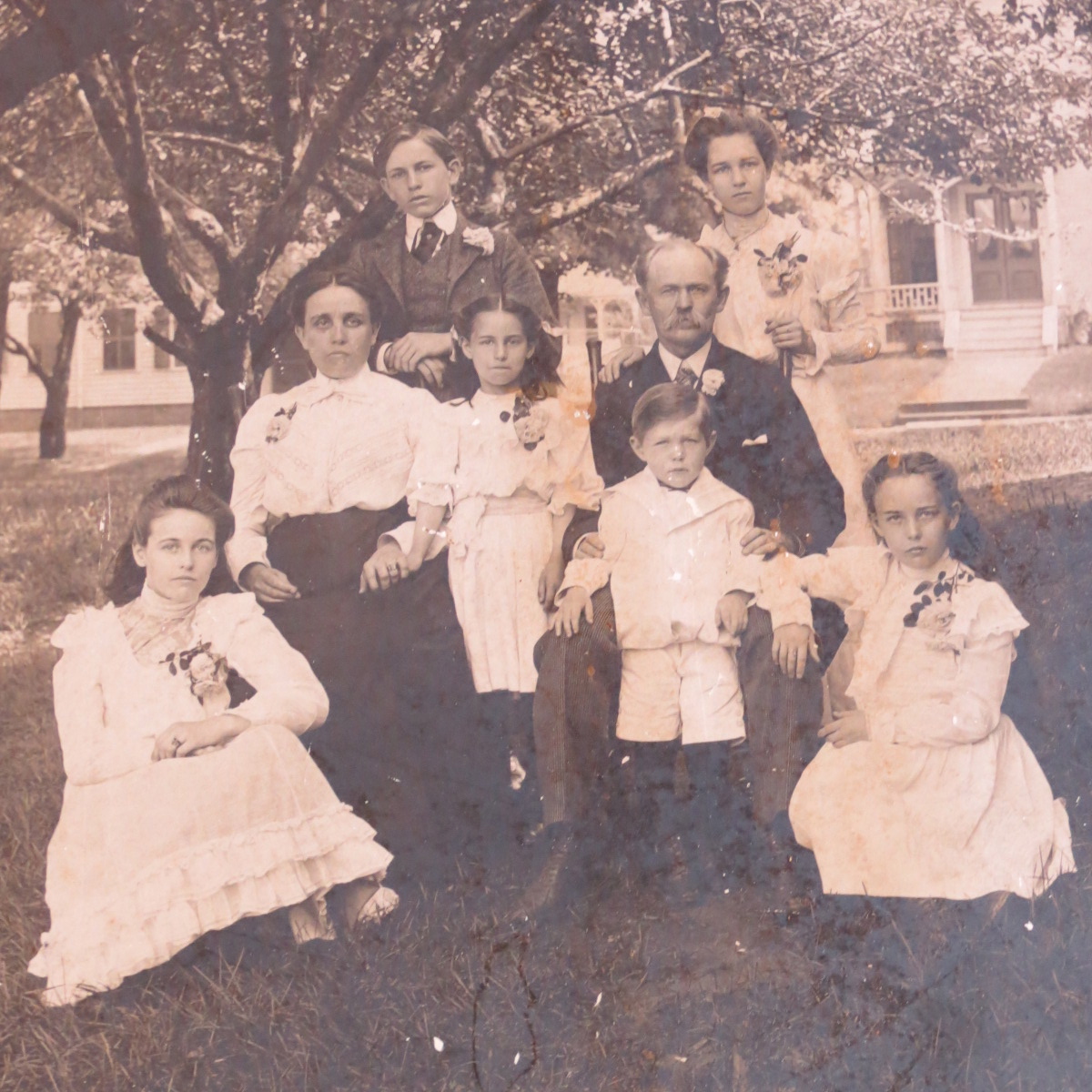
HouseThis house in Monson MA is rumored to have been the town’s first elementary school and because the town predates the Revolutionary War nary a floor is level.  The original structure had only two rooms whose blackboard walls are now hidden by layer upon layer of wallpaper.  From this simple dwelling, my ancestors added two bedrooms, an indoor bath, a kitchen, covered patio and small television room.  The room to the left was probably built by my great-grandfather as storage for his three children (two of whom are in the above picture along with a girl identified as only “My cousin Myrtie.”)  Because the toddler in the picture is my grandmother, born 1899, I figure this picture dates from the early 1900s.  The original deed is handwritten.

BillofSale

Receipt for the house on Main Street

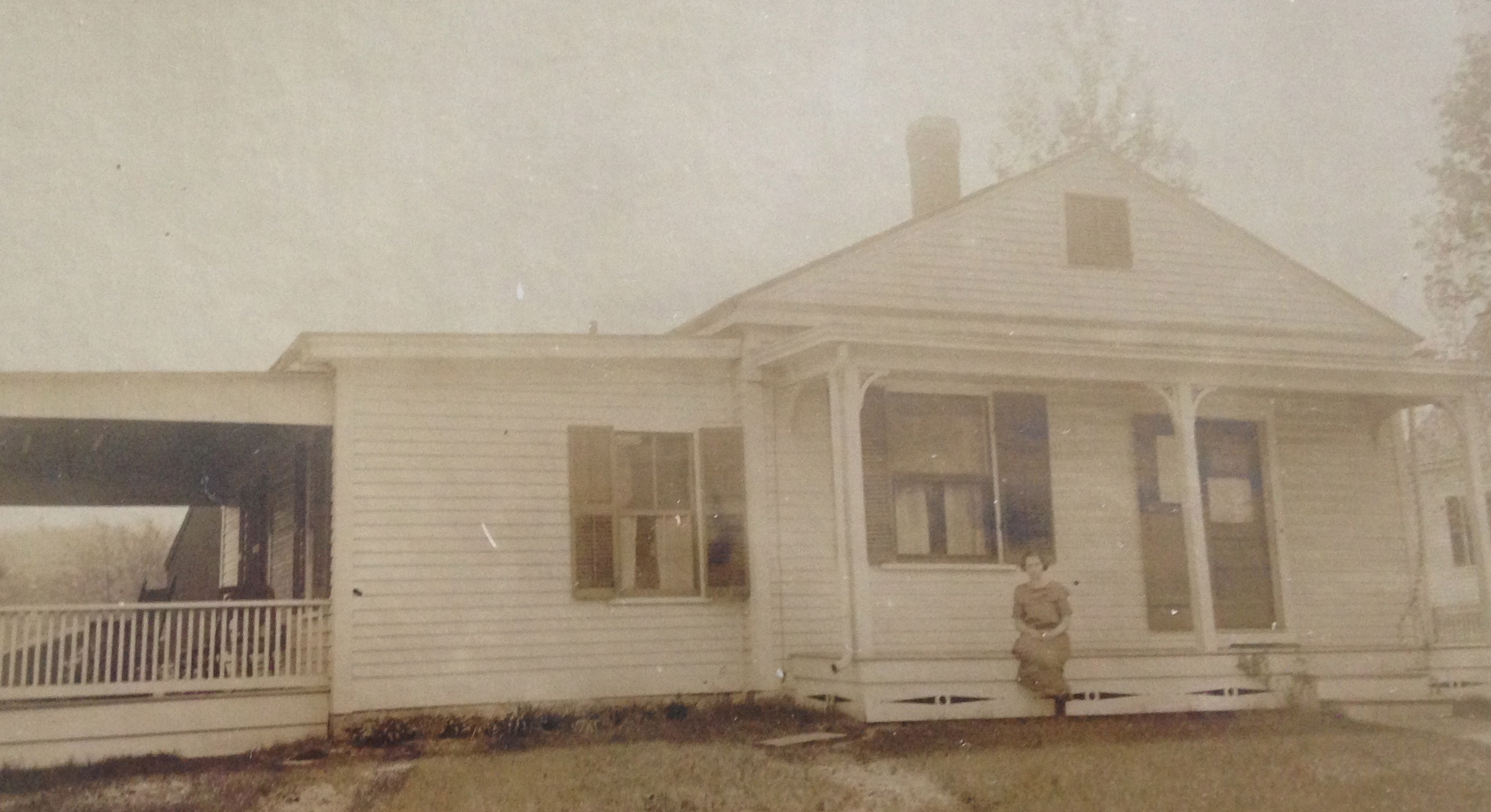
Here’s the same house on Main Street in a photo probably taken in 1910 after they added the porch :

House1

This porch (now screened in) overlooks a boulder-filled creek where as children we played for hours, always within shoutin’ distance of Gram.  The last time I visited, the untended blackberry vines choking the creek and newly constructed storage facility on the other side stole all hope of a return to what once was.  Nonetheless, the house’s eventual slip from our fingers still stings.

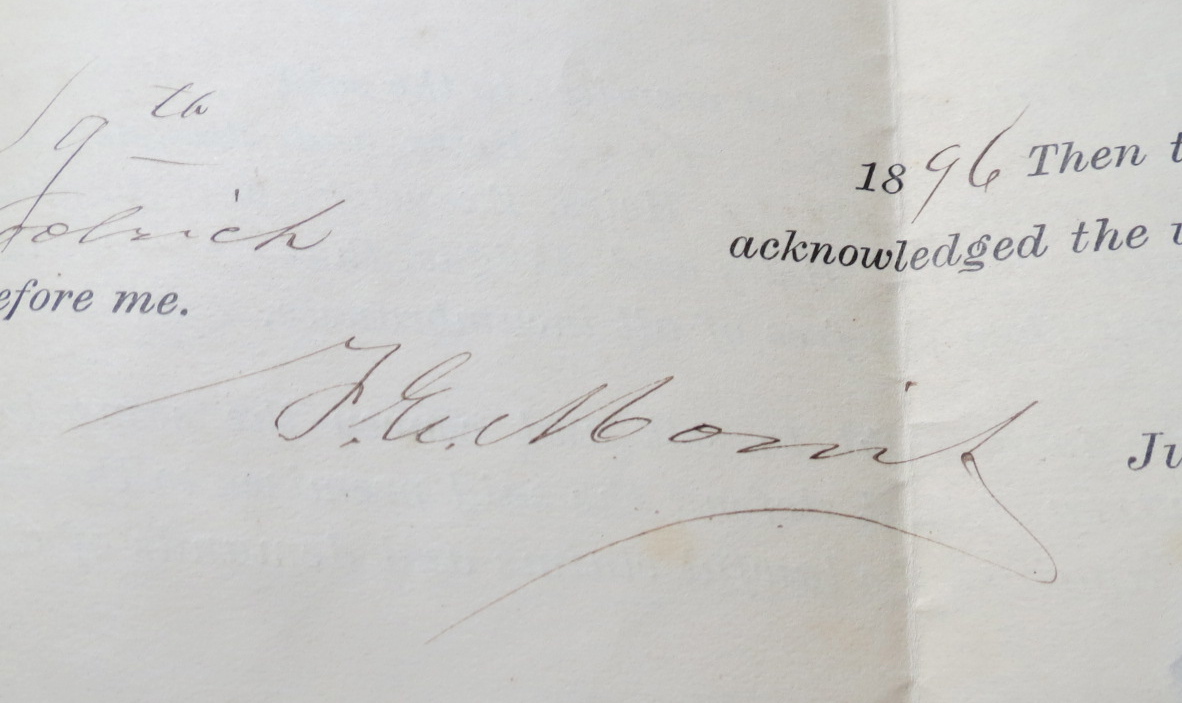
SignatureI know that, in the end, old houses and photos are just stuff, stuff our children probably won’t give a hoot about, stuff that will end up either in a garbage dump or in some moldy basement, pages stuck together, edges eaten by rats.  I’ve accepted that eventuality however for some insane reason I decided to go through the five million boxes of unorganized STUFF I rescued from my mother’s house.  If you’ve ever had to clean out grandma’s house and go through her stuff then you’re probably thinking what an idiot I am. And I admit, it is exhausting, unrewarding work that has kept me from blogging, writing, exercising and cleaning house.  But every now and then I’ll find something which might be mildly interesting to the kids. Know what it is?

DanceCard

Bowpea

Today it seems appropriate to wax on about one’s dad, however my father was far too complicated for tearful remembrances thrown together with favorite photos and sage advice and so I will save him for another day (truth be told, he hated sentimentality and, truth be told, I may never be able to write about him).  

IMG_4336

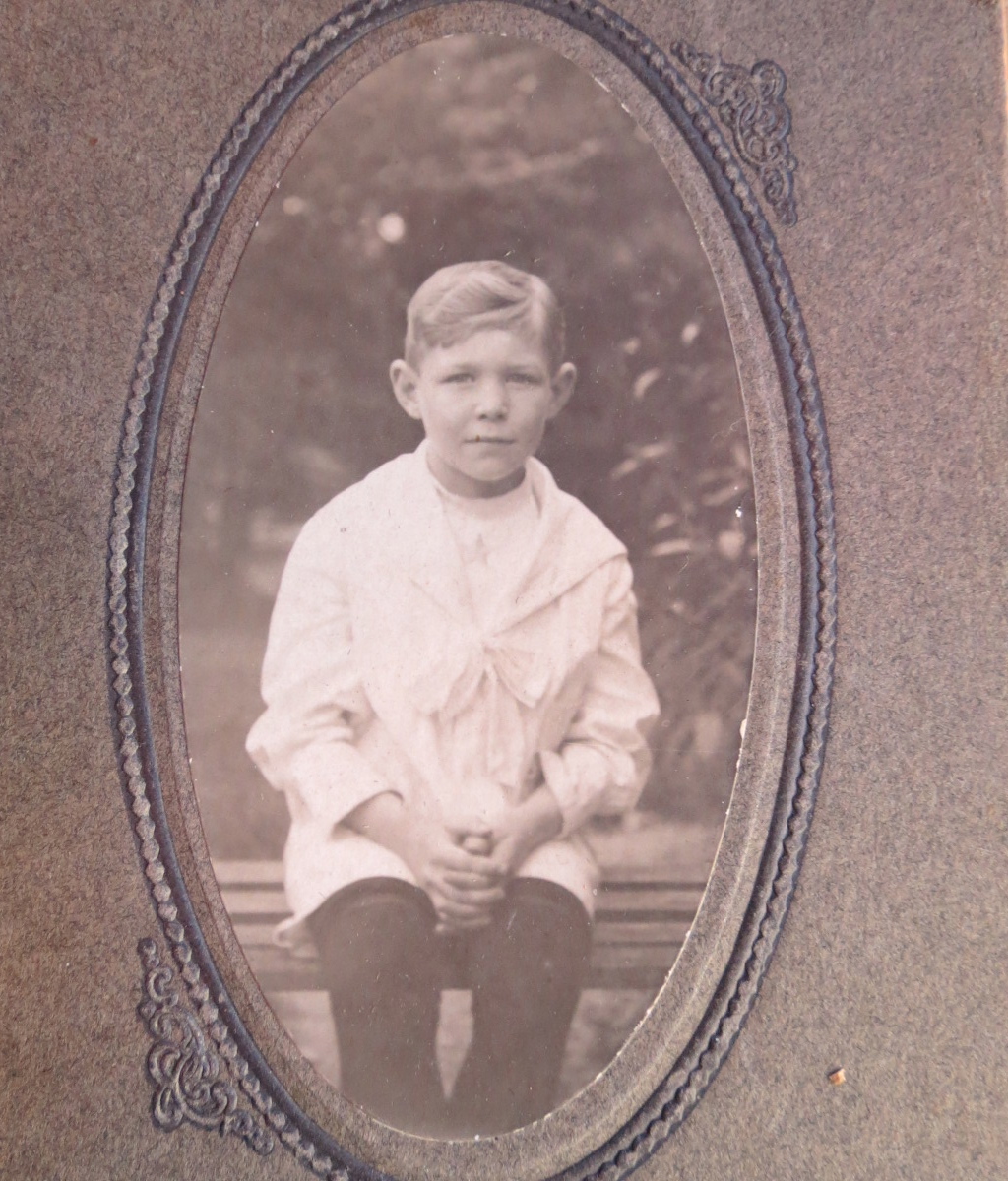
Instead let me say a few words about my Bowpea.  This gentleman was the father of three children: my party-loving mother, rowdy Oncle Boob, and Poor Charlie, whose wife, Auntie Dottie, lived with such unrelenting gusto that no one in the small town of Monson Mass could figure out how he put up with her! 

Bowpea was a man of high moral standards who probably didn’t deserve his wacky family but he endured their shenanigans with a sly smile and occasional word aside to “The Enforcer,” my depression-hardened grandmother who could have stared down the Gestapo.  He was given his peculiar nickname by his oldest grandchild (yours truly).  Don’t ask me why. 

IMG_4344
The Preacher’s Family – Bowpea is between his father’s legs.

My grandfather had, from all reports, a strict childhood, the result of generations of puritan ancestors dating back to the 1600s, most notably Deacon Samuel Chapin founder of Springfield Mass and yes, there were some witch-burners hanging about in the family tree.  


Bowpea shipped off to Europe at the start of WWI a skinny, hopeful lad, and returned with lifetime health problems, allegedly the result of mustard gas.  If he spoke about his war experiences to any of his children or wife, I would be surprised.  Certainly they don’t remember.  He never returned to Europe.

IMG_4338

A few years later a steam-engine explosion at the factory where he worked brought my grandparents together.  He wasn’t hurt but a fellow worker wasn’t so lucky. As Bowpea waited anxiously in the hospital corridor, a young student nurse appeared from nowhere and took control.  She sat beside the scalded man all night long, holding his hand and applying cold presses and  my grandfather fell in love.  Of course, the downside of this lovely story is that Gram never accepted the fact that a man like him could fall in love with her.  To her dying day she claimed it was gratitude.  She was just too plain (according to her father) for any man to really fall in love with her.  Sixty some odd years of faithful devotion and she still felt that way.

In all honestly, I only saw my grandfather during the summer so my impression of him is formed by lazy summer days spent playing croquet on their back yard,  scouring the hills for blackberries, going downtown for a soda, or settling in for the evening listening to the crickets as a summer thunderstorm moved over head. Sometimes he would smoke a pipe as he read about his beloved Red Socks or have the one Scotch he allowed himself nightly. He had  accomplishments which he never dwelt upon: a membership in the Hole-in-One Club (for non-golfers that means you’ve scored at least one hole in one – he had three) and a state ice-skating championship in his youth. Probably more, but they were never touted.

 I’m sure he had his faults, certainly allowing Gram to become the Enforcer was one of them.  But to me he’ll always be the modest, quiet man who smelt of Old Spice.


Oskar Schindler was the greatest aid worker of all times

Our buddy Duke Miller’s brilliant post on Aid Leap – a motley group of international aid bloggers – check them out!

aidleap's avatarAID LEAP

Author: Duke Miller, hardened aid worker and author

Aid Leap outlines problems and then offers solutions and that is the professional way. Yet, year after year, we are confronted with the same old difficulties requiring wheel reinventions. Refugees die, money is chased, programs collapse, agencies and governments position themselves, wars continue, stars fly in, and R. Kipling smiles. We are caught in a continuous loop of assessments, proposals, M&E reports, coordination meetings, and training workshops created by donors, headquarters, and paid consultants.

When was the last time you met a really happy and satisfied aid worker?
I have an observation. Try not to judge me too harshly. Most aid workers should be subversives. I make this statement only with the finest intentions that a good bottle of tequila can engender. My sentiments are absolutely glowing.

I see a “Books” tab on the Aid Leap home page. I suggest the…

View original post 372 more words

Mud Season

RockySpring

Aspens near the valley floor just beginning to blossom

Other places have spring, but up here in the Colorado Rockies they have Mud Season. Mud Season spans from mid-April to approximately the second week of June, a time when it’s generally too warm to ski but too cold for the aspens to have leafed.  The weather is extremely unpredictable. A few years ago when we were here we took a few hikes in shorts, however this year we rarely got out of heavy winter coats, especially on our visit to the Maroon Belles where we encountered three feet of snow.

MIRRORLAKE

Mirror Lake by Carol Teltschick

To get to the lake in the photo above we had to trudge uphill often through fields of melting snow in the rain.  I slipped once, fell in the snow and had an icy butt all the way downhill towards the car (did I mention it was my birthday?).

During Mud Season many of the restaurants and shops are closed and the ones that are open offer deep discounts on their products. The town goes into a  frenzy of preparing for the summer season.  Restaurant facades get a facelift, city gardens get an infusion of snapdragons, petunias and other annuals generally associated with the spring, and its famed gondola only runs on weekends and holidays.

GondolaView

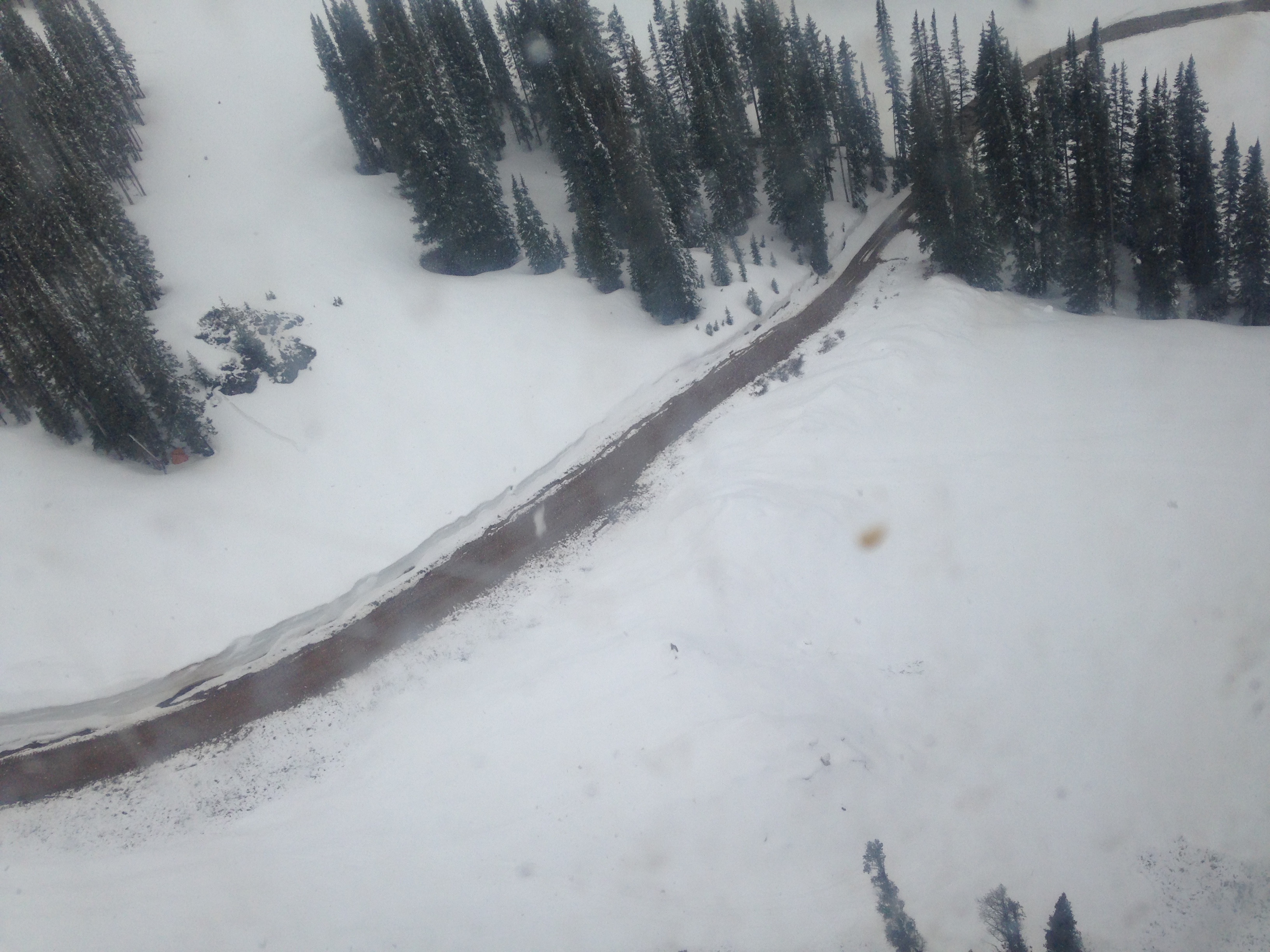
View from the gondola of the road far, far below

Thus the city is void of its usual throng of tourists and/or seasonal residents and/or celebrities willing to overspend on just about anything.  Except the rock sculpture gardens.  They’re free.

RockSculps

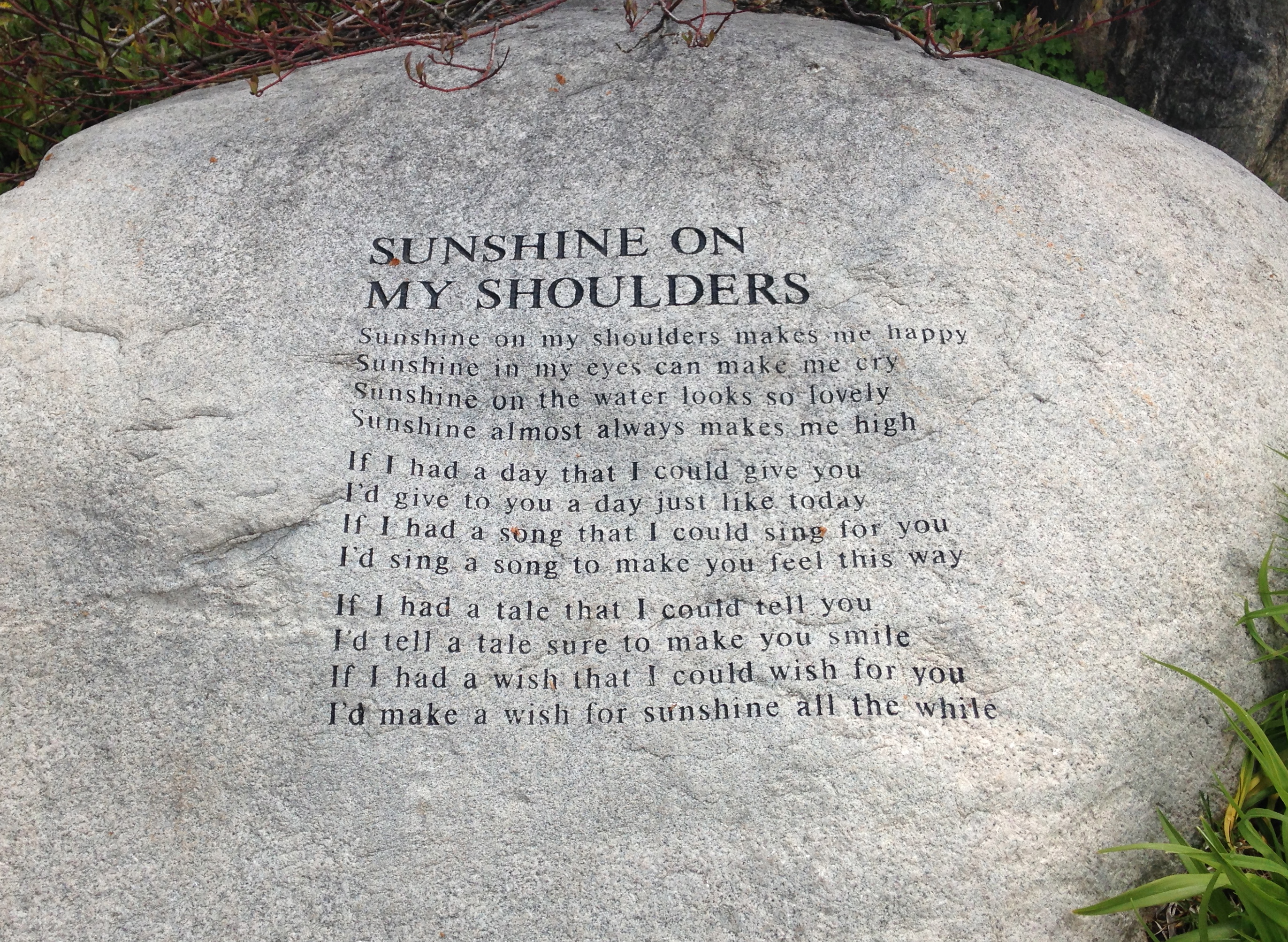
One of my favorite places in Aspen is the John Denver Memorial.  It’s on the riverbank just beyond a children’s park.  A simple memorial – several large boulders in a Stonehenge pattern with the words of his most popular songs carved into their smooth faces.

JohnDenver

If you can’t read the lyrics, here they are:

Sunshine on my shoulders makes me happy
Sunshine in my eyes can make me cry,
Sunshine on the water looks so lovely,
Sunshine almost always makes me high.

If I had a day that I could give you,
I’d give to you a day just like today,
If I had a song that I could sing for you,
I’d sing a song to make you feel this way.

If I had a tale that I could tell you,
I’d tell a tale sure to make you smile,
If I had a wish that I could wish for you,
I’d make a wish for sunshine all the while.

I must admit that when I was a kid I thought John Denver’s songs were a little too saccharin sweet and that his whole public image, too squeaky clean considering we were in the middle of the Vietnam War, the race riots, the clashes between generations – all of which he seemed to ignore, however, being high up in the Rockies, beside a healthy stream, soaking in the incomparable greenness of a newly budding aspen tree, I couldn’t help but savor his words.

Crossing in Time: DL Orton

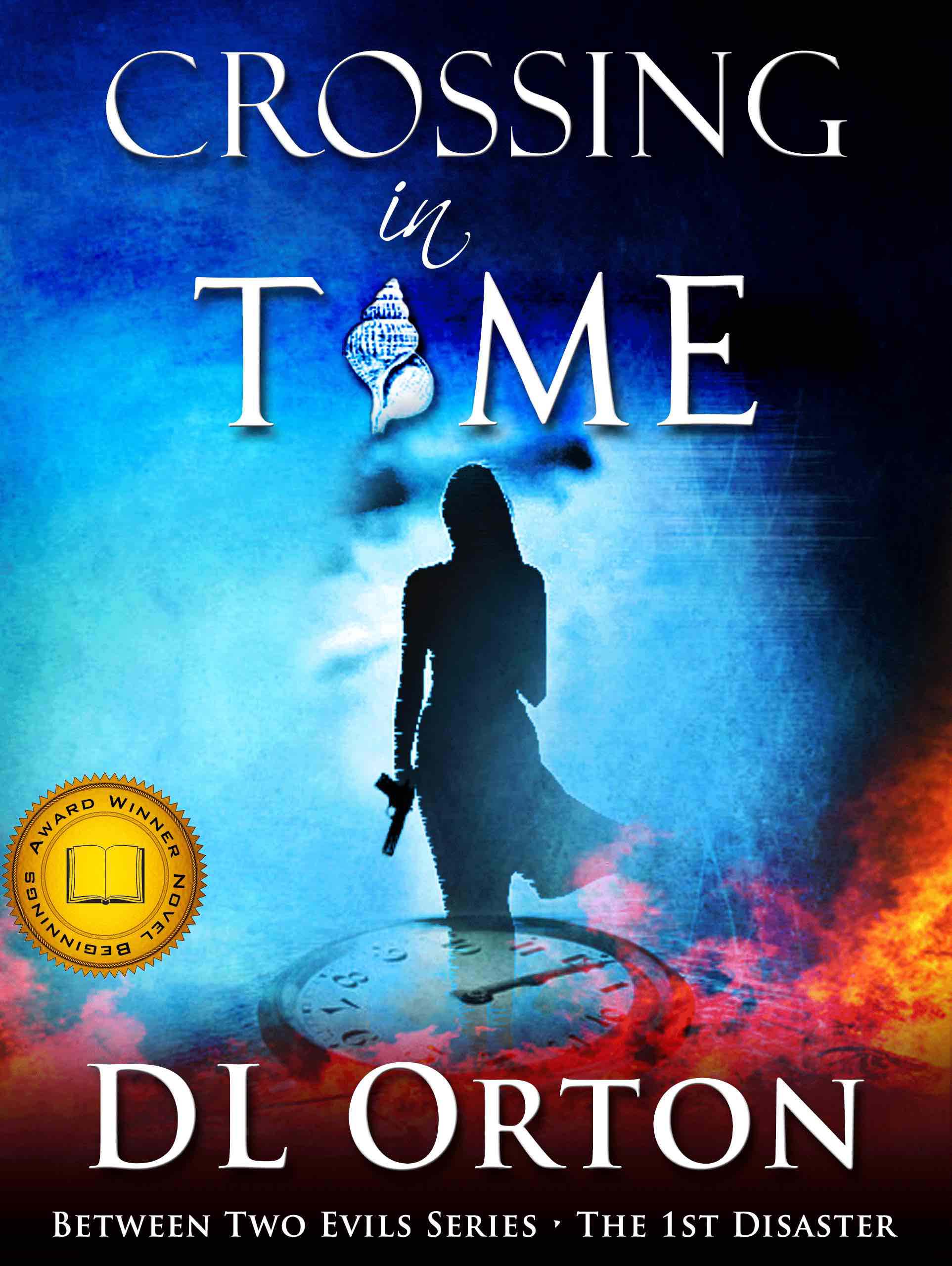
Today in my When I Get it Together (WIGIT) semi-regular series on meeting other writers, please welcome DL Orton whose sci-fi DL_Ortondebut novel CROSSING IN TIME (first in a series) was recently released and is free on Amazon May 25, 2015 (which I hope is today unless my talents using WordPress are total crap). This fast paced novel envisions a world on the brink of extinction where two star-crossed lovers may hold the key to survival.  However, they must go back in time. A very risky business.  From my reading of her book, DL has researched quantum physics, climate change, and – dare I say it? – Masters and Johnson’s studies on sex.  

JTT: Hi Deb, thanks for agreeing to be featured on WIGIT.  Let’s assume you’ve come from either the future or past (which is probably the truth). Which is it and why?

DLO: My pleasure, Jan!  I’m from the future, of course. Come to the dark side; we have time machines. Unfortunately, if I told you why, I’d have to shoot you. And yes, a woman DOES eventually get elected President, gays DO have a constitutional right to marry, and Florida IS going under.  If you want to know how Game of Thrones ends, sign up for my newsletter. (PS:  If you’d like to win a special prize, guess the news headline for May 4th, 2050, and include your email address written backwards e.g. moc.notrold@old in the comments.  I’ll send you a telepathic message if you win. Or perhaps I’ll arrive in your bathroom with the news!)

JTT:  Wow, well I’ll have to sign up.  In your book, Crossing in Time, you address two issues which psychologists believe are more strongly related that most people would think:  parallel universes and the gender gap. Your response?

DLO: A shower curtain, an ant, and a bowling ball.

JTT:  What?

Einstein

Bowling ball with Einstein’s image – incredible!

DLO: Start with the shower curtain: a two-dimensional object in a 3-dimensional world. Imagine that you, gentle reader, are an ant, walking, talking, and having sex (do ants do that??) on a thin, flexible membrane (or a “brane” in physics-speak). Layered beneath you are a million other shower curtains, all of them with their own allotment of ants (some of which get paid 78 cents on the dollar due to slight differences in their copulatory organs). In a very real sense, those other ant universes are close to you in space (and time), but still seemingly undetectable — until someone drops a red-hot bowling ball on those piled up plastic sheets and makes the real-world equivalent of a black hole.  Mind the gap.

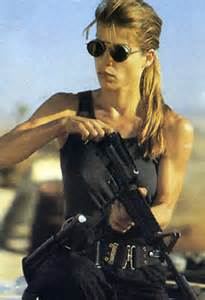
SarahConnorJTT:  Okay you’re officially too smart for me. I saw strong similarities between your female protagonist, Isabel, and Sarah Connor of the Terminator Series.  Why is it that female protagonists in sci-fi series such as the Terminator, Alien and  Avatar are much more formidable than the protagonists of erotica such as Fifty Shades of Grey?  Can the sci-fi and erotica genres unite to gain an audience? 

DLO: Well, if the reviews I’ve been getting are any indication, then no. 😉 

Although my book is not erotica, I expect some women will be turned off by the sex (because my protagonist is the antithesis of the ditzy woman in 50 Shades, and Isabel’s lover is no demigod with a helicopter, handcuffs, and expensive taste in high heels. Sorry.)

JTT:  No reason to be sorry.  I think a lot of women fantasize about being an Isabel.  I hate to ask this question because it is so hackneyed in writer interviews, but as a reader I really am interested to know, what motivated you to write this series?  

DLO: When it comes to fiction, I find Frankenstein’s monster very appealing. I’m drawn to an author who tosses together eclectic body parts and then sews them into something cool and unexpected.  Books with character-driven sci-fi, lots of action, good (real!) sex, dark humor, strong female leads, a bit of a mystery, and an edgy love story are great reads, but there aren’t many out there. So I wrote one. And once I got started, the monster took on a life of his own.

JTT: That’s an interesting answer!  My book – the Monster!  Just one last question: What do you wished I’d asked you and why?

DLO: “What did you do with the $500,000 advance you got for the book?” But I’ll settle for: “Any advice for unpublished writers?”

I once googled “how to get rid of a dead body” as part of my book research. The browser ads I started getting after that were downright scary, and I began to wonder if the NSA was going to coming knocking on my door. (I can’t imagine what would have happened if I googled “how much fertilizer does it take to blow up a building.”) I have since learned about “private browsing,” and I highly recommend it.

My second best tip is: Keep writing, but also keep reading! Lots of the unpublished writers I meet have stopped reading because they don’t feel they have the time for it, and I think that’s a mistake. Reading is an excellent way to keep your writing tools sharp, and hey, it’s damn good way to come up with unsavory phrases to google!

And my final tip: Murder the hero, maim the children, rip the clothes off the intrepid heroine, bestow fame and riches on the villain, and set the whole damn city on fire, but whatever you do, don’t draw cartoons of bearded dead guys, and don’t shoot the dog!

JTT:  Great advice!  Best of luck with the book.


Between Two Evils Series: The First Disaster

Between Two Evils Series: The First Disaster

DL ORTON lives in the foothills of the Rockies where she and her husband are raising three boys, a golden retriever, two Siberian cats, and an extremely long-lived Triops. Her future plans include completing the books in the BETWEEN TWO EVILS SERIES followed by an extended vacation on a remote tropical island (with a Starbucks). When she’s not writing, playing tennis, or helping with algebra, she’s building a time machine so that someone can go back and do the laundry. 

How to contact DLO:

Tell Me WHY

I have a hard time answering the question “why do you write.” whyThis, I’ve been assured, is a disaster. Being able to articulate your WHY is a key element to “building your platform,” “branding yourself” or “finding a niche.”  People who succeed in the WHY will sell books and those who don’t, won’t.

The WHY, being so important, must be answered before we set pen to paper or slop enchiladas over our keyboards in the middle of the night. However, being that I’m a half-ass backwards kind of person, I started writing long before I knew about the WHY.  I just sat down and words came out.

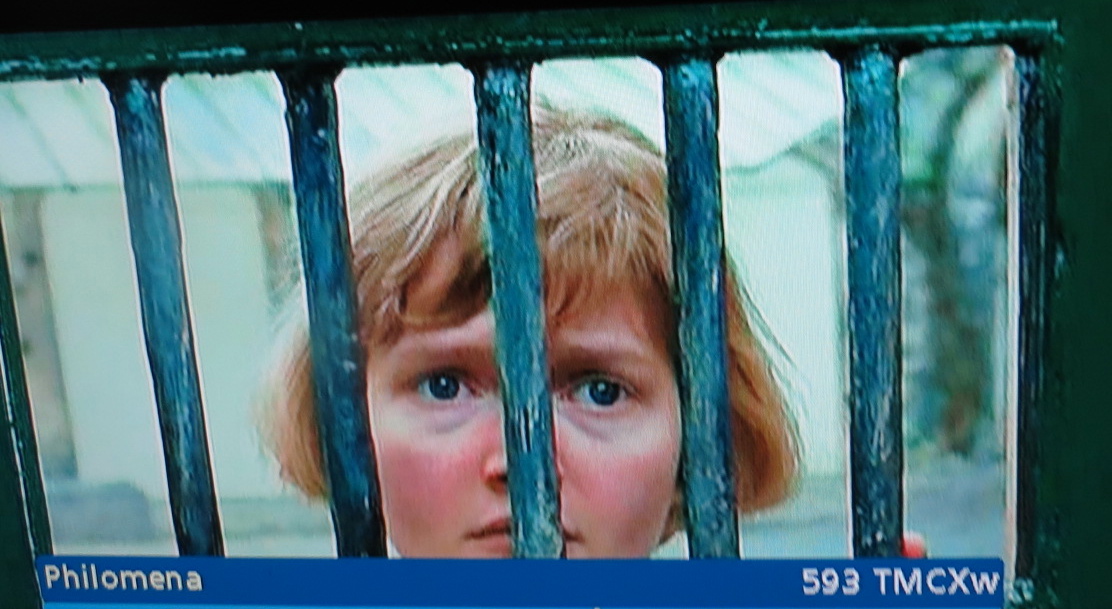
Philomena

The God moment

However lately I’ve had a revelation.

Revelations are strange things, aren’t they?  You see the face of Jesus in beer foam and suddenly boom/ bang you know your WHY. I wish I could say this revelation came to me while meditating on the top of the mountain or deep in the forest but it didn’t.  It came to while sitting on my butt, eating peanuts and watching Philomena, which, for those of you who haven’t seen it, is a full box of Kleenex movie about an Irish girl forced to give up her baby by evil nuns. When she goes in search of him many years later those same nuns lie about not knowing his whereabouts and so she turns to a journalist for help.  The journalist takes on the assignment not out of the goodness of his heart.  He intends to turn her story into a “human interest story,” one which will tug at the hearts of readers and reestablish his drowning career.  His WHY is money and fame.

Several times during their search Philomena balks at the idea of her story being publicized. Does she really want to expose things long unseen or forgotten?  Painful things, the revelation of which may alienate family, friends or even God?

Philomena1Would you?  That is often the dilemma facing writers. In telling a story will we incur the censor of family and community, maybe even God?

I’m sure once Philomena’s story did get published (and turned into a movie) it irked the Church to which she’d remained faithful, despite their treatment of her (where is Jesus – lost in the beer foam?). But it also brought to light an abomination and maybe even helped other poor Irish women to find their stolen sons.

So my WHY is a slippery little devil.  Sometimes I write for fun and sometimes it’s a slide down the Iron Maiden.  But if I write with the intent of not stepping on anyone’s toes (even my own), it doesn’t feel genuine.

Here are more articulate writers on the topic of why they write.

  • “Those of us who write do it because there are stories inside us burning to get out. Writing is essential to our well-being.” Judy Blume
  • “My aim is to put down on paper what I see and what I feel in the best and simplest way.” Ernest Hemingway
  •  “Writing is a dog’s life, but the only life worth living.” Flaubert
  • “I write entirely to find out what I’m thinking, what I’m looking at, what I see and what it means.” Joan Didion
  • “If I don’t write to empty my mind, I go mad.” Lord Byron
  • “Writing is the only thing that, when I do it, I don’t feel I should be doing something else.” Gloria Steinem
  • “To me, the greatest pleasure of writing is not what it’s about, but the inner music that words make.” Truman Capote 

Of these esteemed writers I think Lord Byron’s WHY makes the most sense to me.  How about you?