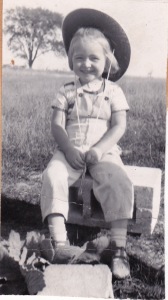
Allied forces launched an attack on the Germans occupying France. Few expected them to succeed.
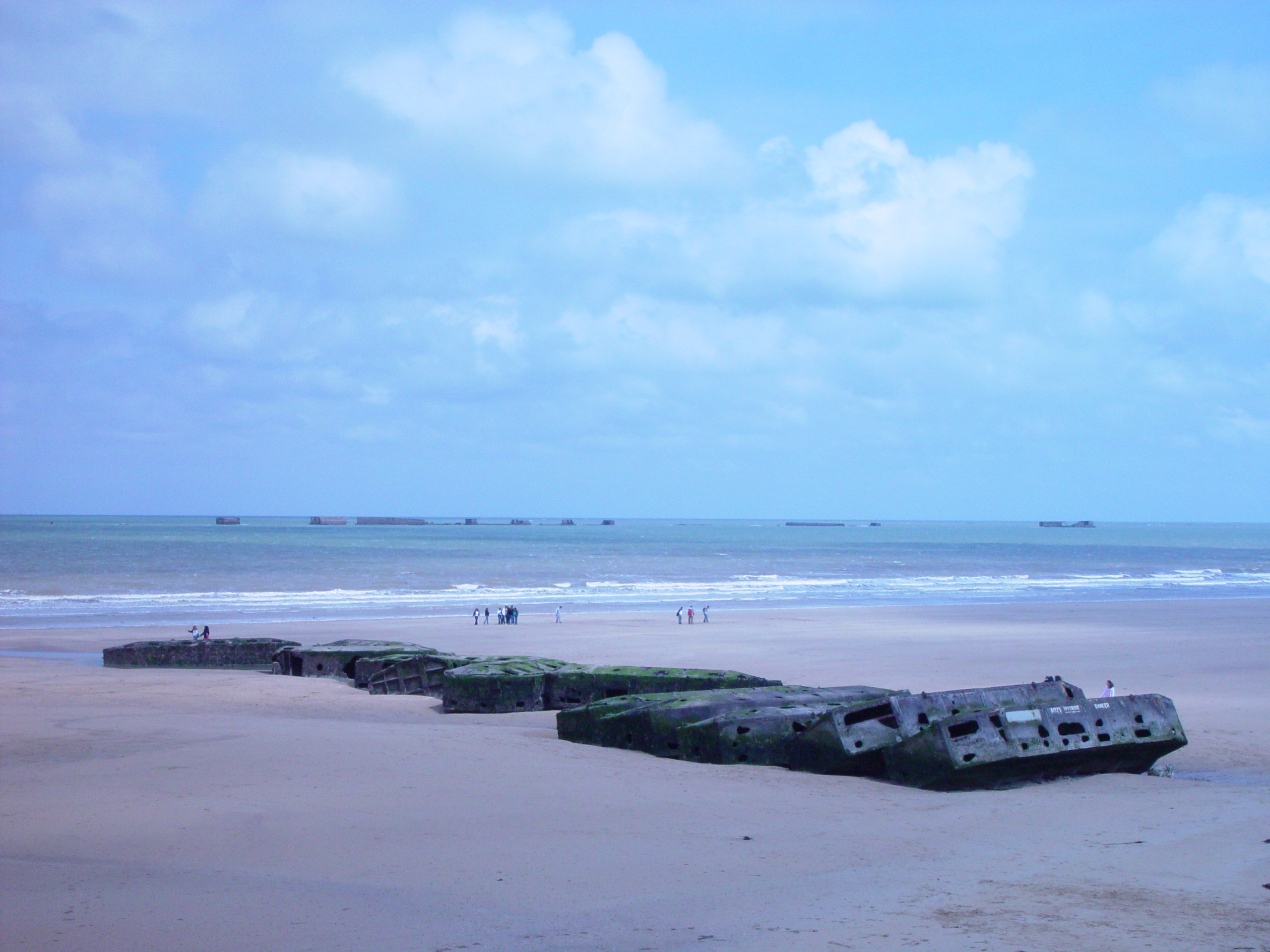
Above are the remnants of temporary ports known as Mulberry harbors. Some are on the beach; others are floating in the breakwater. They were used during the D-day invasion on June 6, 1944 but were badly damaged in a violent storm later in the month. When we visited Normandy in 2005 I wasn’t that interested in military history so they could have been “bombardons” or “phoenixes” which also provided landing ramps for troops and equipment. But they definitely weren’t “gooseberries” or “corncobs” – ships scuttled for use as breakwaters. (My husband, as you might have guessed, is a WWII buff)
The French have left these remnants on the beach as a reminder, knowing that it’s impossible to stand on this beach without feeling overwhelmed.
To the south of Omaha is Pointe du Hoc, a cliff that rises 90 feet straight out of the water, or so it seems. On this day, eighty years ago, Rudder’s Rangers used climbing equipment and, with heavy weapons on their backs, assaulted this cliff. We found a painting depicting this scene in the dining room of our hotel in Grandcamp Maisy (which isn’t a campground but a charming fishing village with views not only of Pointe du Hoc of but the Contentin Peninsula)

I wished I’d had the good sense to ask the name of the artist but we had such a busy schedule that I never had the chance.
We tried visiting the remnants of the German bunkers on the top of Pointe du Hoc but it was raining like crazy and thus hard to get any good pictures. I can tell you, the craters left by the bombing on June 6, 1944 are still there.
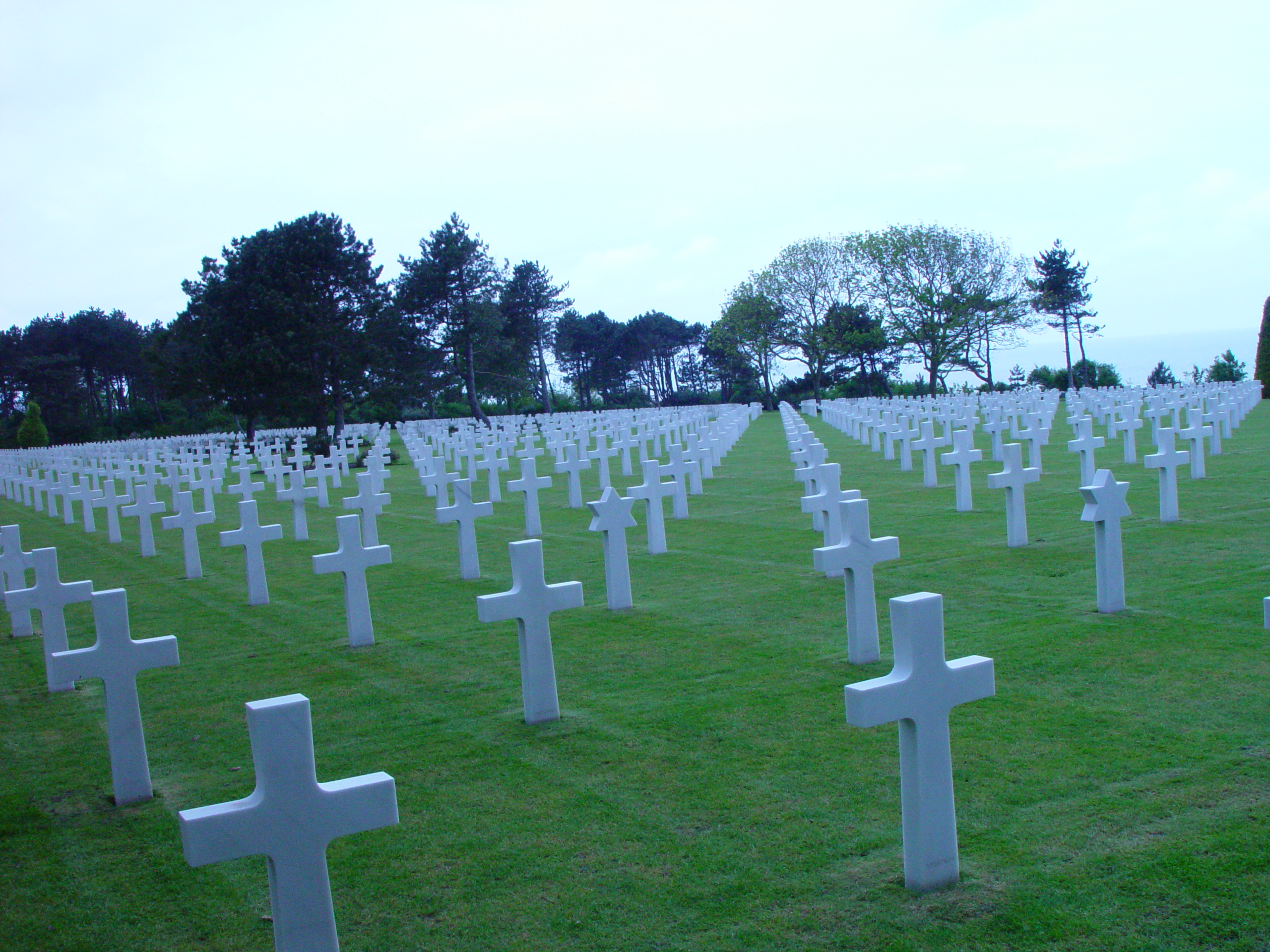
Above is a place we visited on a cloudy day. It is the immaculately cared for American Cemetery at Colleville-sur-Mer. Another place that will leave you breathless.
Eighty years ago. June 6, 1944.

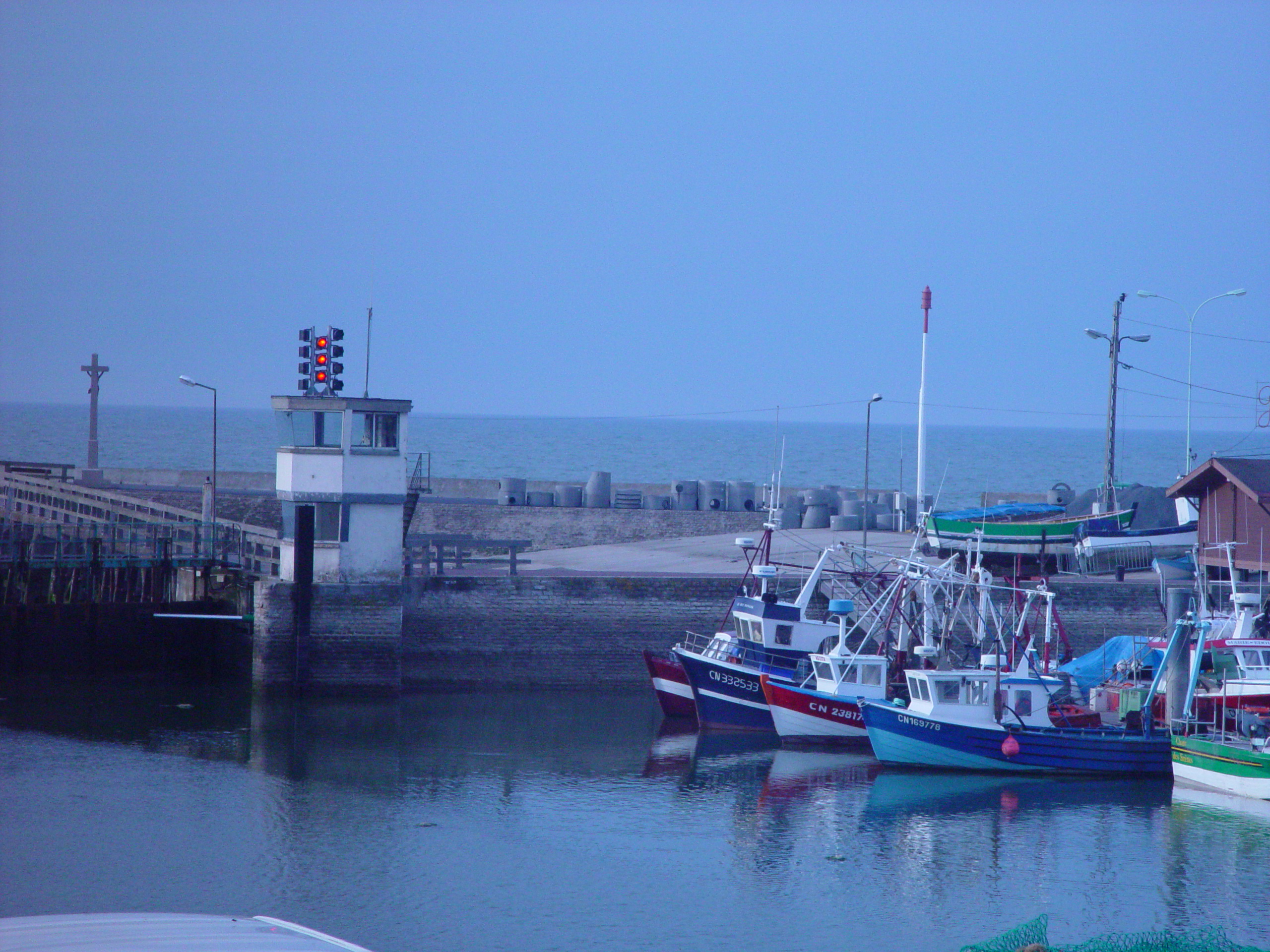




 Saying nothing in particular