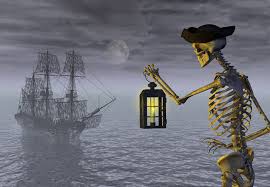
To recap: Daniel can’t abandoned the three girls who, desperate for gas, have driven up to the service station where he works after closing. He considers walking them to a Catholic refuge he knows well and then remembers he knows someone who lives closer. The heavy mist is turning to rain, the temperatures are dropping fast and the ghost ships have begun their nightly quest for new crew members, or so say the winos.
And now, The Behemoth …
“I have a friend you can crash with for the night. It’s not too far and you’ll be safe.” Daniel said.
The girls stared at him mutely. “She’s a social worker.” His socks were wet. The next time his mother came to town he decided that he’d show her the holes in his shoes. She’d insist on buying him at least two pairs of new shoes, one of which he would give to the first shoe-less street person he met, of course. That would make her happy. She wanted Jesus as a son but a well dressed Jesus, not a scruffy one.
“What choice do you have? You can’t sleep in the car. Not in this neighborhood.”
“But are you sure she won’t mind having strange people in her place?”
“No. Not Marcia. I’ve known her a long time. But hurry up and decide.” Daniel knew what happened after dark in that part of town. The needy and vague-eyed — from drink or drug or mental illness — materialized from the crevices of abandoned buildings, crying and moaning and demanding money while in the distance sirens wailed, but always in the distance. A loud crack echoed in the alley across the street, probably just a trashcan being emptied for use as shelter from the rain, but it sounded like gunfire.
“Okay.” They mumbled and began unloading their valuables from the car. One of the girls handed Daniel a terracotta sculpture of a young man’s head. “This is Aragorn. He goes everywhere with us.”
“You know, from the Lord of the Rings.”
“Aragorn?” The thing weighed a ton.
“Oh yeah? Leave him here. No one is going to steal him. I know what. He can be Aragorn, Defender of the Volvo.” Giggling they set the sculpture down on the driver’s seat where in the dim light it looked like a severed head.
Loaded down with guitars and pillowcases filled with clothes, the girls followed Daniel as he navigated sidewalks littered with broken glass, past boarded up storefronts and trash-filled alleyways, always careful not to step into gutters filled with urine and blood and vomit and even worse. He felt like he was leading a trio of ducklings to their doom. Wide-eyed, unfocused, gullible ducklings. Every now and then they heard a scream or a car screeching on the rain-slicked streets, normal sounds for that part of the city but he could tell from the gasps behind him, they would not last long in the city.
Soon they would be begging to return home to a safe suburb where the lights are out by ten and the police have little more to do than investigate mailbox crime. Especially if Marcia worked her social worker magic.
And than it dawned on him. He couldn’t remember the last time he’d seen Marcia. One summer had passed, at least. Maybe two. During that time, he’d moved many times. Maybe she had too. Maybe she’d married and moved to the suburbs. Maybe she’d died. Maybe he’d be forced to walk the girls all the way to Father Frank’s. Maybe that was a better plan in the first place. Maybe, maybe, maybe.
His moment of existential crisis was broken by a loud scream: “LET ME GO!”
He turned and his blood froze. The Behemoth had grabbed one of the girls and was dragging her into a dark alley.
Illustration for Murders of Rue Morgue by Henry Clarke
A recap thus far: Daniel, an obviously well-educated young man, works at a gas station in the Bowery at a time (1969) when that area of Manhattan (NYC) was considered the deadliest part of town. One rainy evening, he steps into the phone booth to make a call. He hears a rapping on the glass doors and assumes that some poor soul is looking for shelter from the rain. But …
It was a girl.A girl with a Botticelli face dressed in bell-bottoms and a pea jacket standing in the steam rising from the sewers. She couldn’t have been more than sixteen.
Untitled by Sandro Botticelli
“What are you doing here?”Daniel demanded as he stepped out of the phone booth and into the drizzle.
“We really need gas. We got lost driving around the city and then we saw your station.”
“We?”
“My friends and I.”
“There are more of you?”One was bad enough.
“Yes, they’re in the car.”
Runaways, oh lord, runaways, he thought.The city was swamped with runaways, all trying to find Greenwich Village and Bob Dylan. Instead, if they were lucky, they ended up at Father Frank’s calling their parents for money for a return trip home.If they weren’t lucky, they were used and spit out by the godless ones, left to sit on the doorsteps of brownstones, selling oranges or themselves.
“You girls shouldn’t even be in this part of town.” He followed her to their car, a hump-back Volvo with Nevada plates. “You need to get back in your car and leave. This is the Bowery.”
“But, you don’t understand. We’re really out of gas. We’ve been driving on empty for at least an hour!”
Empty, out of gas, out of luck, lost.Probably hungry, dirty andon each other’s nerves. But he couldn’t help.His hands were tied.“Look,” he explained, “I can’t sell you gas even if I wanted to. The owner has locked up the pumps and gone home and I don’t have the keys.”
“Oh.Is there another gas station around here?”
“Not in this part of town!”
Couldn’t they see where they were?The dilapidated brick buildings, storefronts boarded up, trash and broken glass filling the gutters.Were they blind to all of that?“They all close at sunset anyway.No one stays open after dark down here.”
By now the other two had fallen from the car and stood over him.They were so like the girls who arrived every spring after the rye grass had exploded and formed a chartreuse chastity belt around the seminary. Arriving with their families to see the Passion Play.Girls who came bearing homemade brownies and yeast rolls in their Easter dresses, their long hair flowering, their voices echoing against the tile walls.Such a flutter of activity that made buckling down for year-end exams ever more difficult.
Passion Play circa 1966ish courtesy of Layton Damiano
But they were far from the seminary. Venus of the Sewers spoke first: “Is there a cheap hotel nearby where we can spend the night?”
“You girls don’t want to stay in any of the hotels around here.”
“Why not?”
“Because you’re not prostitutes, are you?”
“What?”
“You’re not prostitutes are you?”
”No!”
“Then you don’t want to stay in the hotels around here.”
Damn. He had to do something. He couldn’t just leave them at the station.They’d never survive the night, hunkered down in that small car with winos banging on the steamed windows, begging to be let in for a warm place to sleep.Maybe he should march them down to Father Frank’s.They could sleep on the hard wooden benches beneath paintings of saints, and early in the morning have breakfast with the Father:hard boiled eggs and slices of white bread, strong Lipton tea and, a stern lecture.In the name of all that is holy, go home to your parents.
But St. Marks was on the other side of the Village.By the time they got there —if they got there — they would be soaked to the bone, chilled and susceptible to all kinds of city rot.Still, what choice did he have? And then he remembered Marcia’s place.
A recap of the story so far: A woman named Sandy has been invited to an art exhibit/memorial for a childhood friend. Once there she’s told by the woman’s son that, although the two women had drifted apart, there was something in each of his mother’s final and very disturbing paintings that she specifically wanted Sandy to see, a face from long ago. October of 1969 to be precise.
Out trespasser! Leave this body before you’re trapped! He’d landed with a thud in a strange body but perhaps there was still time.
“What the sam hill are you doing, Daniel? Quit standing in the rain and get out of here while youse still can.”
The man yelling at him stood silhouetted in the doorway of a squat brick building as darkness licked him from all sides. He looked tiny in that square of light, and that square of light looked tiny surrounded by the dark shells of once grand hotels, now melting the rain. He felt wet and cold. The heavy book in his hands was alien to him, although it was attached by a thick metal chain to the phone booth.
“Go home Daniel, for Christ’s sake, before it gets too dark!”
Aha! He remembered. The man was his boss. The man cared about him and that kindness had brought him back.
“A great God has made known to the king what shall be hereafter. The dream is certain, and its interpretation sure!” Now all facts pertaining to this life became clear to him. True, the forgetting had been a reprieve, albeit short. Praise God. But now he’d returned and on his horizon the shutdown of the gas station had begun. The lights, one after the one, going dark. The doors padlocked; the windows shuttered and soon the boss would fire up all four cylinders of his Galaxy and race to the relative safety of the Bronx.
A home. That’s what Daniel had been looking for in the heavy book. Well, not really a home home but a monk’s cell, cheap and anonymous, somewhere he could ponder the next move in his life of dedicated impermanence.
From Bing images
The rain fell in droplets smudging the ink and wilting the paper. There’s something sacred about a book, especially a book filled with the names of the living and the things that gave their life purpose, a home, a profession, something permanent. To let it be damaged by the elements was clearly immoral so he stepped into the phone booth and closed the folding door, triggering a faint bit of light from overhead. It was not enough to read by, especially through lenses coated with axle grease. He removed his glasses and tried to clean them with the inside of his tee shirt. This effort brought his world into clearer focus yet triggered another dilemma. Where in Manhattan would he find a monk’s cell other than at a priory? Perhaps the YMCA? And if so, would it be listed under YMCA or Young Men’s Christian Association? A quick investigation proved it was under neither. He moved on to the Yellow Pages. Would YMCA be under Lodgings or Gyms? Nope. Wrong again.
“I’ll just dial directory assistance,” he said aloud as he sorted through his linty pockets for a dime or quarter with which to call the operator. There was no time to figure out the complexities of the phone book. The ghost ships had already begun their nightly prowl, floating up from the Hudson and down the abandoned streets and alleyways of the Bowery looking for new crew members. The winos claimed the ships hid in the mist and only revealed themselves to those about to die.
He found a quarter —Praise God! — and was about to use it when he heard a desperate cry: “Hello? Anyone here?”
A shadow stood in the mist near the gas pumps. Spotting the lit phone booth, the shadow moved toward it like a moth to a flame. Some poor creature looking for shelter, he thought as he turned his back and dialed the operator.
“Directory Assistance.”
The shadow rapped gently against the glass door.
“Don’t worry. When I’m finished you can have this shelter for the night. I’ll not fight you for it,” he said loudly without turning.
“Directory Assistance?” The operator said again. “Have you –“
“I’m looking for the address of the Y-M-C-A closest to the East Village,” he said.
The Chinatown Y on Hudson, he was told. Did they rent rooms? She didn’t know but offered to patch him through. Brring, brring. He could feel the creature on the other side of the glass burning holes into the back of his head. Turn. See me!
“Don’t worry, I’ll be gone soon. Honest.”
Ten rings and finally someone answered. Yes, they had rooms. “Praise the Lord,” he muttered as he hung up and turned to face whatever waited.
Twenty years pass and children become adults. They grow facial hair and start wearing glasses. Their voices change. That’s what they do, Sandy told herself, and if you miss the process, you miss the process. There’s no going back.
“Ian … of course.” She always thought he would grow up to look like his Uncle Chad, tall and slender with delicate features and smooth skin. But he looked like his father. Not exactly but close enough. She’d heard that he’d become a doctor, which was not a surprise. As much as she detested his father, the jerk had slept walked his way through school and still gotten straight A’s. At least Ian has more sense than Bradley. Or perhaps it was less arrogance? “And that’s my daughter Angela.” He pointed to the trio of preteens crowding a table where crackers and cheese and veggie platters were spread. Two of kids were short and stocky with curly brown hair and ruddy complexions. The third was tall and thin with aquiline features and creamy white skin. “The tall girl with long black hair?” “Yes.” “She’s the spitting image of your mother at that age.“ “Aye, she is. And she’s artistic as well. ”
“And her mother?” “We’re divorced.” “Oh.” “It was amiable. She didn’t like Alabama and that’s where my residency was.” “Oh.” An amiable divorce. Imagine that. Nora had never talked about her children in the same way as other parents might. Were they happy adults or were they suffering? Did she get along with their spouses? Sandy had no idea. Their attention turned to the images now being projected to a screen on stage. All of the benches set up for viewing purposes were empty, except for the woman running the slide projector. She wept as Nora appeared coyly in the woods, followed by Nora defiant on a mountain ridge, Nora mellow next to her lake and so on. Always staring into the camera as if to say: “There is nothing you can do to hurt me now. All the magic has died and I’ve bled out.” They watched in silence. It was not the memorial of a life but another art installation.
“You know, your mother always told me she’d die before she reached forty and in a way she did. She went to that place in Marin and became Leonora.” “Ah yes Leonora. You have to remember that, by the time Mom turned thirty-eight, Iris and I had left town. Iris had moved to Alameda and and I’d joined the army. So she was free. No more kids to take care.“ “I hadn’t seen your mother in so long that I was really, really surprised to get the invitation. And, a phone call from Iris.” “Mother specifically requested that Iris track you down and persuade you to come. She said when you saw her final pieces, you would understand — Oh God she’s on the move.” “What?” “Dorothea’s coming in this direction. She’s had a few strokes you know. If you’re lucky she might not remember who you are.” “Dorothea?” She turned and sure enough. The grande dame of the Seagrass clan had risen from her seat of honor amongst the mourners and had aimed her walker directly at her grandson. “I heard that Katie moved back into the River House and is taking care of your grandparents.” “Yes.” “Nora said Katie was a saint.” “Did she?” Ian glanced at his watch and then back at his grandmother. “I think it’s time to check in with my service. Listen, we caught a break. It looks like Dorothea’s spotted another soul who needs saving.”
Jesus is Number One by Nancy Motley Came
“My cue to leave as well.” She’d circled the art exhibit three times, stopping in front of each piece to take in Leonora’s disturbing visions: men with wolf-like eyes ripping the clothing off prepubescent girls and raping them with long barbed tongues. Witch doctors gleefully ripping babies from their mother’s wombs, beheading them and dropping the remains for hyenas to feast upon. All this on twelve foot high rolls of butcher paper in vivid oil pastels — violets, neon greens and blood red crimsons. (At one time, blue had been her color.) Every corner, every edge of her canvases was filled with pagan symbols. In the end, Leonora decided to leave no breathing room.
Untitled oil pastel by Connemoira
“Do you know why Mother wanted you to see her final pieces?” “Yes, I think I do. There’s a face in each of the pieces, generally in the background … It’s been so long but … yes, I think I understand.” “The face of my father?” “No,” Sandy chuckled. “Nor is it Chevy. Although I ran into him and his sister in the parking lot and he told me all about Alison. Gads, it’s only been a couple of months.” “So you can understand why it’s hard for me to come back to Reno as well. Chevy thinks he martyred himself and now … well he’s full of justifications.” “Yup, he is.” She worried that Ian might ask about the face his mother had repeatedly placed in the background of her horrific scenes but he just nodded. Perhaps he knows the story, she thought, perhaps he’s heard it many times before with that special twist that only years of Seagrass religiosity can add. It wasn’t a story she ever told her children. It wasn’t a story for children brought up to believe that the Devil didn’t exist and that good could overcome evil. However every October when the weather changed and the fog rolled over the coastal hills, she remembered Daniel.. Everything else grew murkier over the years but she remembered Daniel.
Ian hugged her and said how glad he was to see her again and then he slipped out the entrance, passing Chevy with a nod. Why was Chevy still lingering at the reception table, she thought. He said he was only going to make his presence known and then leave? Was he waiting for her? Did he think because she understood how difficult life with Nora could be she would absolve him?
Praise the Lord and pass the biscuits! She remembered that the banquet hall had a back door.
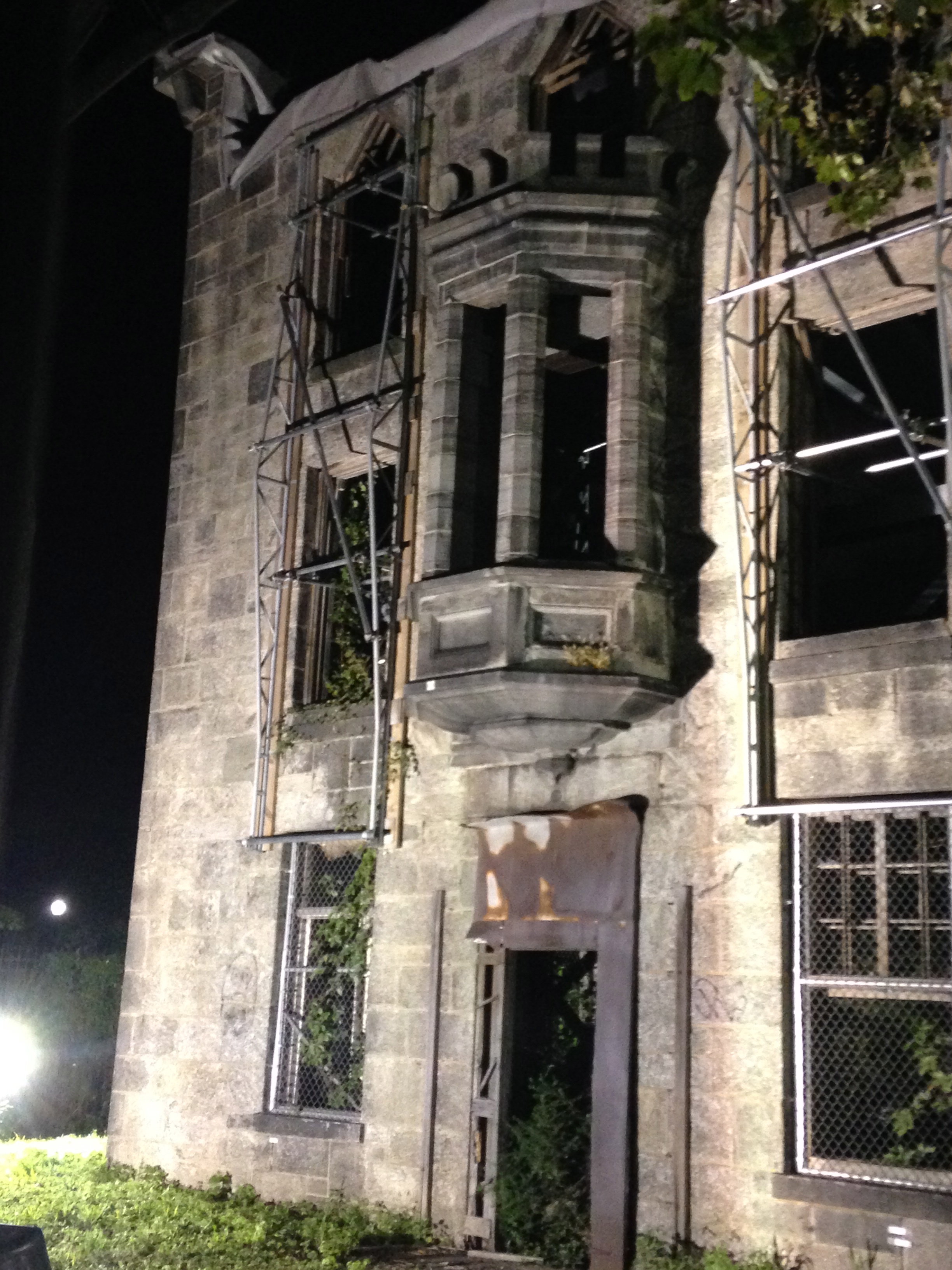
Renwick Ruin – and excellent place for an Art Exhibit.
The other day, when asked during an interview what sort of person annoyed me I said a nosy person which was a hypocritical thing for me to say considering that I am a writer. And what do writers do? They stick their noses into everything!
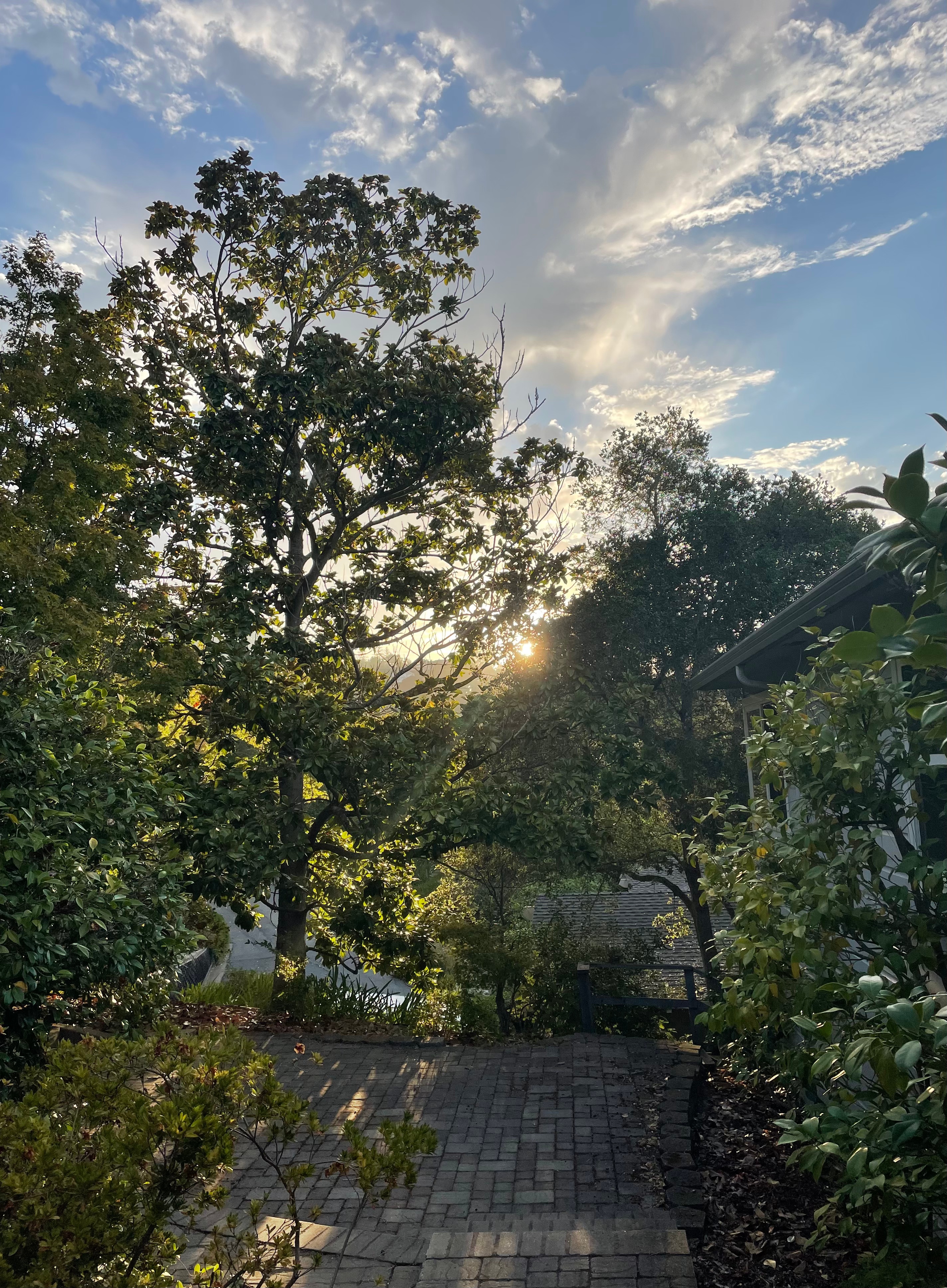
Sunrise over my neighbor’s driveway
Which begs the question: Where is the line between nosiness and curiosity or is there one? Here is an example of the what I mean:
Two women have been living next door to each other for a dozen years. They are friendly but not necessarily friends. We’ll call them Mrs Green and Mrs. Yellow. One day a strange car shows up in Mrs. Yellow’s driveway and stays for three whole days. Mrs. Green is curious. She imagines all sorts of scenarios.
Finally one night Mrs. Green bumps into Mrs. Yellow at their mailboxes and says: “I noticed there’s a blue car sitting in your driveway. Is everything okay? Did you get a new car”
To which Mrs. Yellow responds: “My nephew is staying with me for a while.”
At this point Mrs Green, if she were merely curious, could say something like: “How nice. I hope you have a lovely time together.”
Mrs. Yellow is then free to share that her nephew is relocating or that her nephew is getting over a bad breakup or that her nephew is an escaped convict but she doesn’t. She merely smiles and says: “Thanks.”
However if Mrs. Green continues by asking: “How old is he? Is he a registered sex offender? Why is there a dent in the side of his car?” She is being nosy. Although perhaps there is a better word. What would you say?
I will use any excuse to post pictures of my neighbor’s beloved Gaston. He’s gone but certainly never forgotten. He could be very curious and even a bit nosy but I never minded a bit! Dogs can be a nosy as they want!
Of your unspoken word you are the master; of your spoken word the servant; and of your written word the slave – Quaker proverb
Writing is easy all you have to do is cross out the wrong words. – Mark Twain
We finally decided to take the old Prius in for the Necessary Oil Maintenance the dashboard monitor had been displaying for weeks. My husband translated that to oil change which is something he used to be able to handle in the privacy of our driveway for very little cost. But that was before. Prius’ are special … as are most cars started via buttons and not keys. Lord.
From the Orinda Vintage Car Show – a car using manual ignition
So I contacted the dealer we generally use to schedule an oil change. It should take about two hours max, right? I asked. Noooooo, was the snide reply I received. The car needed its 70,000 mile grand nincompoopery of “services.” A dizzying list of valve checks, fluid replacements, tire rotations, brake fluid checks, face lifts, tummy tucks, nose jobs and oh, if there’s rat damage, well you better take out that second mortgage. And … there’s always rat damage. (I’ve long suspected the local auto dealers and repair shops are importing rats from all over the world and releasing them in Contra Costa California with the hearty admonition togo forth and consume the wires, hoses, insulation and whatever else appeals to them in every vehicle … be those vehicles in a garage or in the street! )
For various reasons, I dread going to the Toyota dealer. And so when a coupon arrived from an auto shop within walking distance of my house, I decided to give them a try. They’re a small shop whose owners love vintage cars. Every year they hold a vintage car show that keeps attracting more and more people and so I was surprised they also service newer cars. And they were very friendly; no snide remarks.
I drove over this morning and, as directed, parked the filthy beast behind two mint condition vintage Thunderbirds. After checking in with their staff of amateur comedians (“How long will the service take?” “The rest of the year.”) I decided the weather was perfect for the long walk home. No need for a Lyft. Although the comedians had their doubts. “Try to remember exactly where you are in case you can’t make it and we have to come get you.” Gads. Do I look that old?
Well, I made it. Come with me on my walk, will you?
Above is the beginning of my walk – the sidewalk in front of the community center, library and park. It’s generally a very busy area but not at 8:30 in the morning.
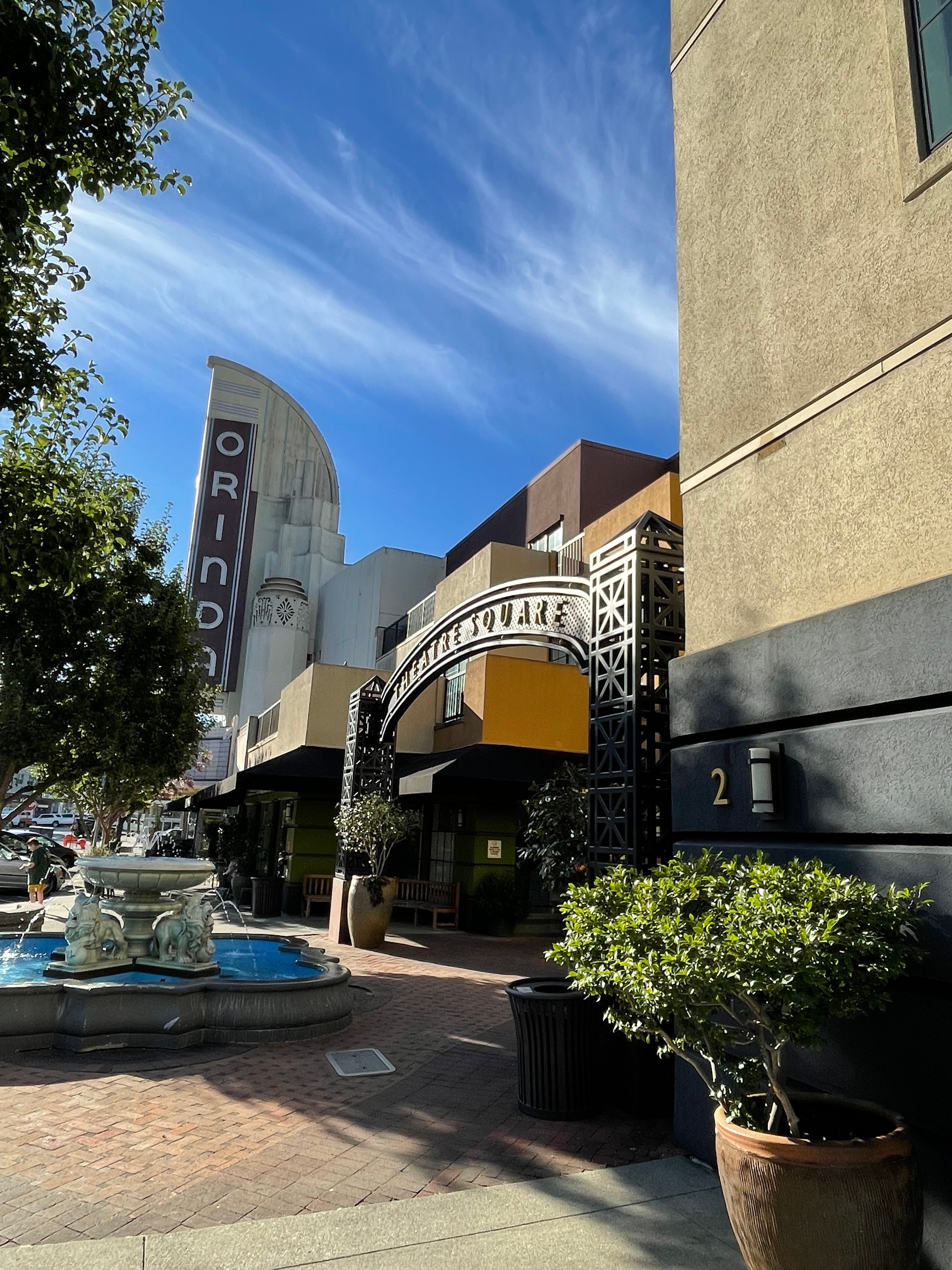
I know I’ve posted pictures of the old Art Deco Theatre before but indulge me once again. The morning light gave it a special glow.
The theater has been putting on various events all summer. The next one involves this guy – seen a couple nights ago passing out fliers.
Can you guess what he was advertising?
The last hill to climb. It’s steeper than it looks but I love passing through the redwood grove. Those trees have been here since before the Pony Express rode through them. The houses are built around them.
It’s gotten hot so the old Prius will probably have to spend the night at the garage. No way I’m walking back over there in the 100 degree heat!
By the way, it was great fun interacting with those of you who checked out my interview on Yvette’s Priorhouse blog! As a result, I look forward to getting to know several new (to me) bloggers and to interviewing Yvette and her fellow writers once their book comes out in October. More on that as it gets closer!
It’s hot but there are signs of autumn all around.
I can see the need for usernames and passwords at financial institutions, but the other day I called Pampered Pet Ranch where we occasionally board our cat and was told to:
Visit their website and agree to all their cookies, disclaimers, policies, guidelines, etc.
Create an account with username, password, backup email, backup phone #, etc.
Validate our human existence by solving a set of visual brainteasers designed for those people with an IQ of 200 or above. You had three chances before being declared a bot.
Provide vet’s name, address, email and last health report.
Complete their extensive questionnaire:
How many minutes a day does your pet require additional pampering (at $9.99 a minute)
Does your pet have a pet name?
How does your pet display anxiety?
Complete request for boarding
Day and time of drop off
Day and time of pick up
Food requirements
Check back hourly for confirmation
In other words, they were no longer taking reservations over the phone.
Do you suffer from anxiety Kitty?Are you kidding? I’m a cat!
This left me wondering, how many people actually called Pampered Pet Ranch and made reservations for other people’s pets? If the answer is thousands, hundreds, or even a dozen, this country is even sicker than I thought. More than likely they found that gathering necessary information this way was more reliable that depending on their young staff. Or the fickleness of their clientele. At least they know where to put the blame for flub ups!
They also required Kitty’s mug shot, I guess in case an imposter tried to take his place.
Pampered Pet Ranch is not the only website requiring one of the hundreds of username/ password combos that clutter my little black book. I have usernames and passwords for:
Hotel chains I have visited once
Saline nasal pods for a machine that hasn’t worked for years
The toilet paper people who became so busy during the pandemic that they were always out
Our medical provider, Kaiser Permanente which provides preventative care for seniors provided those seniors can figure out their complicated and constantly “updated” online system.
Sign seen while having a pelvic exam.Really? Having a lovely time with cold, metal instruments shoved up my vagina. @kaiser
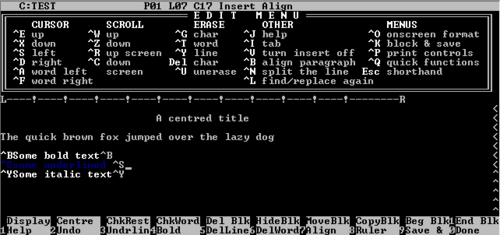
I think it’s unfair to expect aging baby boomers to keep up with technology. After all, we were the first people to own personal computers back when knowledge of a computer language was necessary to run the damn things. You couldn’t just bark orders at a Compaq or wave a magic finger over the screen.
WordStar screen borrowed from Wikipedia
I can still remember the secretaries in our office who vowed to never ever switch from their beloved typewriters to a computer! Never ever and indeed, it did take a while for many of them to change their minds.
The horrible machine that was going to make typewriters extinct!
I can also remember the day the internet captured my mother-in-law’s favorite granddaughter. It was my fault really. Bernita was staying with us when she heard from her other son that “darling Lena” had won a statewide award and that the ceremony had been broadcast over something called “the internet.” I found the site and showed her the ceremony on my computer screen. There was Lena, climbing the stairs to the stage and accepting her award. Huge smiles on her face. Applause all around.
Bernita turned to me in horror. “Oh my Lord. They’ve captured Lena! How horrible!” She began to quiver. “My darling Lena!”
Borrowed from Bing images
“No Bernita, She won the grand prize in the state science fair and they put the ceremony on the web. That’s what I’m showing you. She’s fine.”
“She’s caught in the web?” By this time she was in full panic. “Turn that thing off! Make it stop stealing children!” She bolted from my tiny office and vowed never to enter that unholy chamber again.
It’s a good thing she never had to do a video conference with her doctor!
Yup … if there are passwords in heaven, I’m checking out that other place!
BTW – because of some oddness between Word and WordPress, I had to use the old Ctrl V (copy) Ctrl P (paste) commands to create this post. Commands I learned over thirty years ago. So much for progress. We’re going backwards in more ways that we can count.
The other day I received a communication of the utmost confidentiality and significance from a Mr. Pauwels Gaetan informing me that his client, Engr. Eldric Twissel, a distinguished business contractor for decades in Brussels had passed away due to a myocardial infarction shortly after the tragic loss of his entire family in a vehicular accident. In case you don’t believe me, here is that very same communication (with a bit of berry pie spilled on it I’m afraid.)
Reading further, I was stunned to learn that I am apparently the last living Twissel on the planet! And, as such, I am eligible to inherit good old Eldric’s 9,995,980.00 (Nine Million, Nine Hundred Ninety-Five Thousand, Nine Hundred Eighty Euros) which will make me – gasp – a billionaire? (I have no idea what the exchange rate is so I’m just guessing.)
After a month of fog, finally the sun! Oh, my happy days are here!
Unfortunately my friends, billionaires don’t blog. But I’ll remember each of you fondly on my yacht.
First … I suppose I’ll have to hire Pauwies to “assist” me through a “entirely legitimate” process with “no legal risks or exposure” to myself. All he expects in return is half of the 9,995, 980.00 Euros! What a gent!
Next, I guess I better head down to my bank to prepare them. Pauweis will undoubtedly want access to my account. You know, to make it easier to transfer the funds. Oh, and I better call my tax guy … perhaps I should relocate to Switzerland in order to avoid horrendous taxes? Oh dear, so many decisions. So much to prepare for!
A bench dedicated to Eldric and the Twissels?
Of course, I’ll have to do something to honor Eldric and all those poor unfortunate Twissels who met their demise in some ghastly vehicular accident. Any suggestions?
Any guesses as to who was known in the late 1800s and early 1900s as “The Charles Dickens of the Nursery”? Probably not, unless like Yvonne of the Priorhouse blog, you’re a fan of old and dusty books.
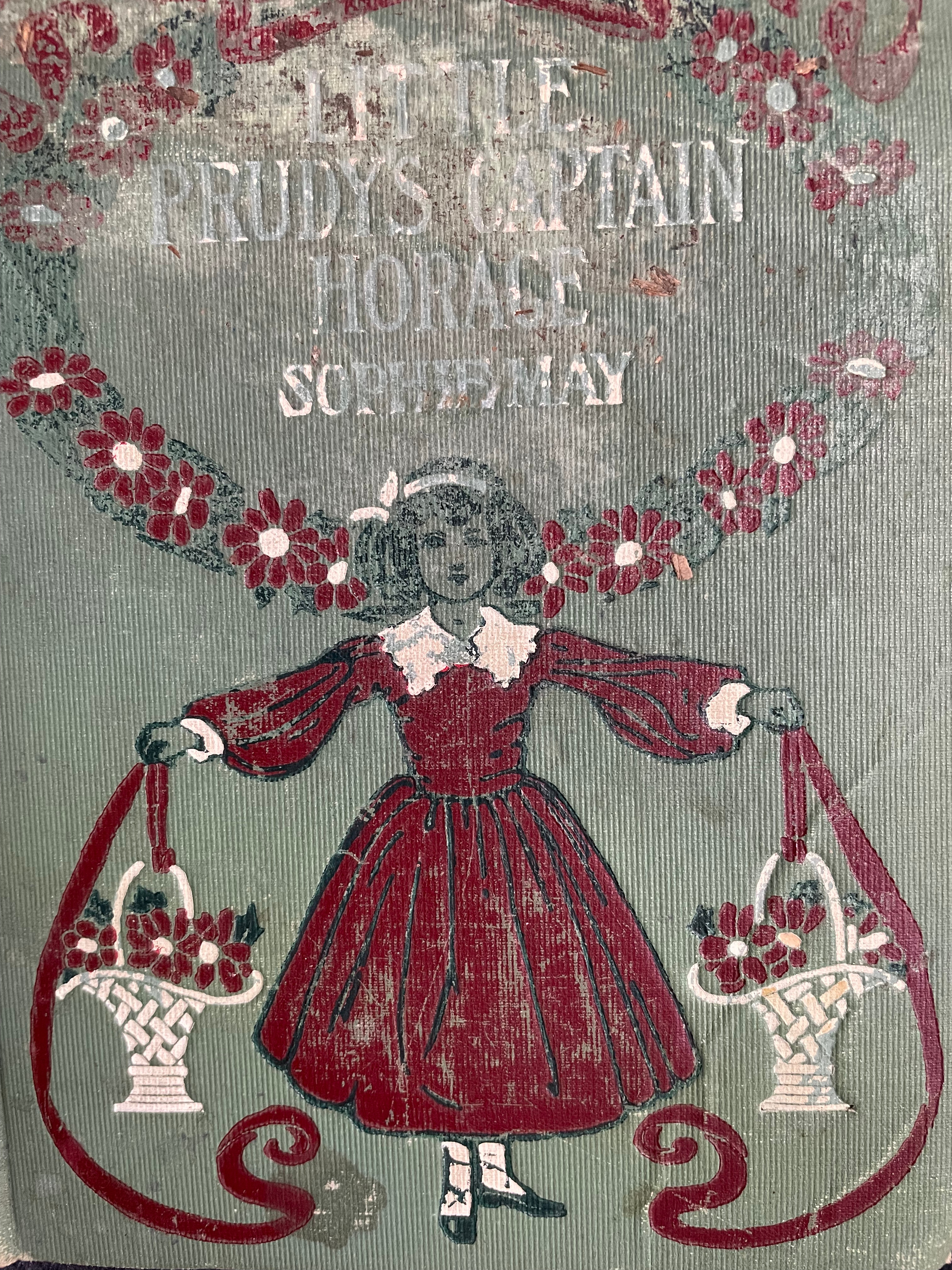
Little Prudy’s Captain Horace, circa 1863. Before you get the wrong idea, Captain Horace is boy who dreams of being a captain. Not some sort of middle age pervert stalking Little Prudy.
It was Sophie May, the pen name of Rebecca Sophia Clarke who spent her entire life in Norridgewick Maine (or perhaps Norridgewock. River Gal, perhaps you know?) Like Dickens, her stories started out being published in magazines such as The Congregationalist and Little Pilgrim where they were considered more realistic than the moralistic children’s tales of the day. Her most popular series was The Little Prudy Series.
M.A. Donohue & Company published high quality children’s books until the 1960s! Now they are more famous for their building on Printer’s Row in Chicago.
I have, in my collection of damaged and dusty, water and coffee stained, and undoubtedly worthless books … two Miss Prudy books. They belonged to Helen Nelson, my maternal grandmother.
Aside from Miss Prudy, described by her creator below:
Miss May also wrote about Dotty Dimple (who seemed to be quite the adventuress), Flaxie Frizzle and the Quinnebasset Sisters.
However, I was a little shocked to find this notation in the back of the book.
Did my grandmother fail to return a library book? Heavens, what would Flaxie Frizzle have thought?
Also belonging to my grandmother were a couple of books by Edgar A. Guest (1881-1959). Anyone care to guess what he was known as?
Aside from:
“The last man in the world is Edgar Guest”
Internal monologue of Robert Neville in I Am Legend, by Richard Matheson.
For years now I’ve been following Bojana Stojcic whose work has been published in a whole slew of online magazines. Recently she pulled together a collection of her short short and flash fiction pieces for DarkWinter Press, an independent publishing company located in Ontario Canada that wants “your weird, your traditional with a twist, your humour, your dark thoughts, or your elation. We’re open to anything—just make it interesting. Make us think.” They certainly hit the ball out of the park with Bojana. Her work does all of those things.
Imagine, if you will, Bojana and I are sitting at an outdoor cafe in Munich, which is her current home, discussing her book.
From Bing Images
Jan: Thank you for stopping by for tea to discuss your new book! I must say, you look divine. Not at all the frazzled writer! As I was reading your book I kept thinking: this writer is a chameleon who’s not going to let readers pigeon hole her work. At times, wise and witty (“today I am a future pile of dust like you.”) and at other times raw to the bone (“I need evidence that I’m alive.”) Is there a writer with whom you most identify?
Bojana: There are a lot of writers I look up to but, rather than identifying with any particular writer, what matters more to me is to identify as one. Writing doesn’t come easily to me. I know some people who write prolifically, whether it be essays or blog posts or poetry. I’m not one of them, although that doesn’t stop me from wondering what specific mindset allows someone to write that much. Then I find comfort in the thought that fiction requires a somewhat different approach. An author summed up writing fiction beautifully: the first draft is like getting lost in the woods, editing is your map and revision finding your way back out. And, to quote Robert Frost, “The woods are lovely, dark and deep.” It’s easy to get lost in them.
Writing means observing, listening, reflecting. It also means research and regularity. Most importantly, to be a writer, you have to read like one, which is precisely what I do. As someone who is more curious about how than wow, I analyze instead of getting lost in the story. I study characters thoroughly, reread interesting dialogues, monologues and descriptions, I pay attention to the sentence structure. Finally, I contemplate the word choice to better understand the motivations and conflicts. I need to think long and hard about every single detail, always keeping in mind the emotion I’d like to provoke. I need my readers to feel the horror, envy, anger. I want them to grieve with my protagonists, to ache with them, to be equally disgusted or brokenhearted or utterly apathetic and withdrawn. Like in real life. It’s easy to judge. What’s way harder is to understand someone’s reluctance to make any effort to change or improve things. To show compassion and a willingness to believe that choosing pain doesn’t always mean making the wrong choice.
Jan: Is there an example of what you mean in one of your stories?
Bojana: Yes. In Once You Have a Duvet, You’ll Be Fine
You begin to feel it at a young age; your body gives you signs so you damage it once, you damage it twice, too many times to remember. Because you don't know a better way to cope. Roll with it, they say, like a ship in a storm. I wish I could say, I tried but it didn't work. Truth is, I didn't. Like a letter thrown into the fire,I darkened and curled before bursting into flames.
Jan: You hear a lot about flash fiction these days, but how is it different from short stories and does the genre have anything to do with the title of your book? You know, knives cutting like editors editing?
Bojana: For the record, I came up with the recurring knives and blades symbolism after I’d written at least a dozen stories, when I realized I could be actually working on a book. The thing is, I needed a strong metaphor, some sort of a unifying idea which would put together seemingly dissimilar things and, since I’m a huge fan of everything chilling and eerie in storytelling, blades seemed like a good choice, as they only further stressed the emotional turmoil and expectations the protagonists had to cope with.
Back to flash fiction which is actually a shorter version of a short story, its length normally not exceeding 1,000 words. Plenty of editors/publishers are pretty specific about publishing one, but not necessarily the other, which is why I like to call Knives All Blade a collection of short stories and flash fiction. Let’s put it this way: flash fiction tries to tell big, rich, complex stories quickly and concisely, each word carefully chosen to convey emotion and atmosphere. For me, telling a story compressed into limited language, without wasting time or space, is what’s most challenging about it.
One of the keys to flash fiction is a sense of urgency. The point is to start in medias res, to throw readers right into the thick of it. This creates a sense of immediacy and helps build tension, as it raises questions that readers will be able to answer only if they go on reading. I enjoy writing intense, gripping stories, pulling readers by the heart without releasing tension from the beginning to that climax, every scene compelling them to hold their breath or stop breathing altogether. It’s a process. It takes time to learn the ropes. To learn how to build tension and when to slow things down, how to effectively use a mix of long and short sentences to communicate the protagonists’ thoughts and feelings, how to surprise the reader, write a story that inverts themes.
Jan: Can you give us an example of what you mean by sense of urgency and stories that invert themes?
Bojana: Here’s an example of urgency from Life to the Throat
A knife will always manage to surprise you, like your period," I told my little girl, giving her one as a gift when she started bleeding. "That blood running prepares you for pregnancy. Learn how to use it."
I wish I'd had one. I was so confused.
Regarding “inverts themes” that would be hard, if not impossible, to name an example here because the twist/resolution happens literally in the very end, so you’d have to know the whole story to understand. A good example would be Beyond the Ditches when you come to realize it’s not a story about the challenges of being a mother, but about childlessness. (It was all in her mind, making up the kid as either a copying mechanism or impact of trauma.) Or, say How to Skin a Dogfish when zio Luigi becomes a likely murderer and we see that K is actually a parrot, not a child. Or maybe Once You Have a Duvet … again.
Unknown to her, a letter arrived from court in late January, saying an eviction order had been placed on the house, that she had seven days to leave the property. Her husband stopped paying the mortgage, full of surprises as ever. All the while she waited for him under a tree, blossom-fringed branches bowing toward the ground, as if begging for forgiveness. Waited with bated breath to say I tried so hard to stop the situation getting this far, to see what he would say about her leaving him.
Flash fiction isn’t plot-heavy, thank god. It’s all about capturing moments, and sparking the imagination, which enabled me to put more emphasis on character development. That being said, each story required a different approach. And yes, some were definitely more difficult to tell than the others. It wasn’t always easy to translate all those images and ideas into actual words that carried a story along. That’s something I had to learn as well. To stop fretting about details or editing every little thing. The first draft is ugly for a reason.
There’s more to it, of course. If I didn’t know enough about a subject, for example, I would do research, go back to reading. Slowly and critically. This also included reading relevant books, news, articles, blogs, etc, as well as essays on human behavior to better understand personality development and create believable stories and layered characters that the reader can relate to. Writers need to understand people because we write for people, about people.
Jan: Yes indeed. Thanks for stopping by and spending some time with me. I hope that Knives All Blade will get the widespread attention it deserves.
Lovely Readers, I know many of you write flash fiction, do you have any questions for Bojana?


















 Saying nothing in particular