ThursdayDoors: The City of Facades

In Charleston South Carolina it takes a lot of money to be an SOB. You also have to be willing to live in a house that’s over 200 years old but which you cannot change the exterior of in any way other than to repair or repaint. And don’t expect to get around your neighborhood easily. You have to share the road with an endless stream of horse drawn carriages filled with people snapping photos of you in your bathrobe.

house

Note the lady in pink on the balcony trying to escape my camera.


The SOB, which in Charleston stands for South of Broad (street), is an enclave of historic buildings on narrow sometimes cobblestone streets. Although there are strong restrictions concerning remodeling, they were built in a variety of architectural styles ranging from Queen Anne to Art Deco. Every effort is made to save these beauties, however sometimes they burn down or simply can’t be repaired.  Any new building must resemble one built two hundred years ago.  As you can imagine, that would be quite a challenge.

You can either take a guided walking tour through the SOB or a horse-drawn carriage. It was 85 degrees and humid so you can probably guess which one we chose.

house1

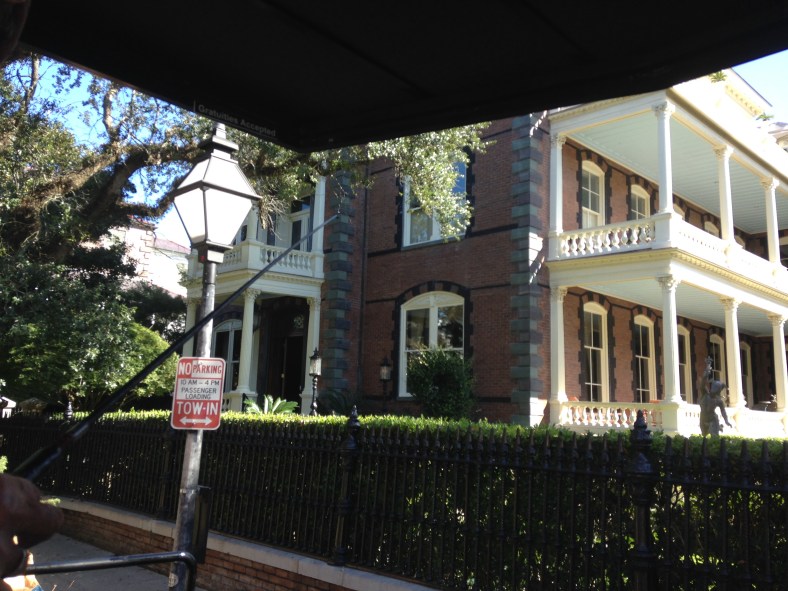
A Queen Anne given as a wedding present to the daughter of a Confederate millionaire.

I have to apologize for the quality of the photos.  We were at the whims of Jack, a horse who didn’t like to stop even when we were at a stop sign.
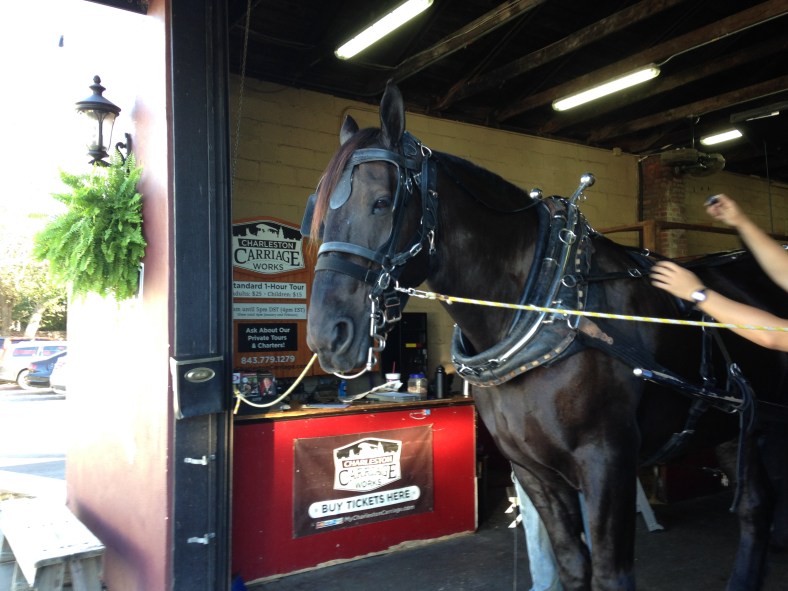
horse

Jack

But he is a handsome dude, don’t you think?   You would expect with as many horse drawn carriages as they have in the SOB the streets would be knee deep in you-know-what  but they’re not which led me to believe Charleston has an army of horse poop picker uppers who, like the street sweepers in Disneyland, work in stealth. The streets were always miraculously horse poop free though no shovelers were in sight.
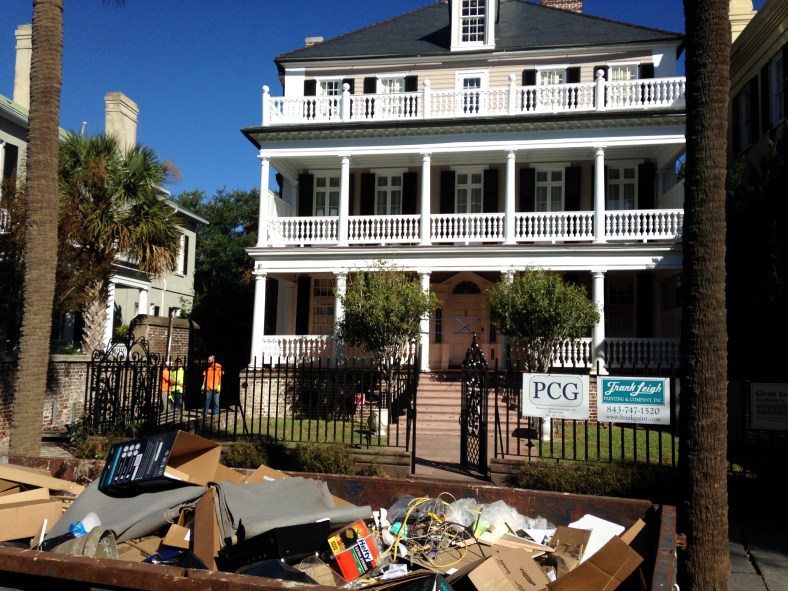
house2

One of the few houses undergoing some sort of renovation

Characteristic of homes in this area are balconies that could host tennis tournaments.  Many face the street but along the waterfront, they face that vile reminder of Northern Aggression, Fort Sumter, which I talked about last Thursday.
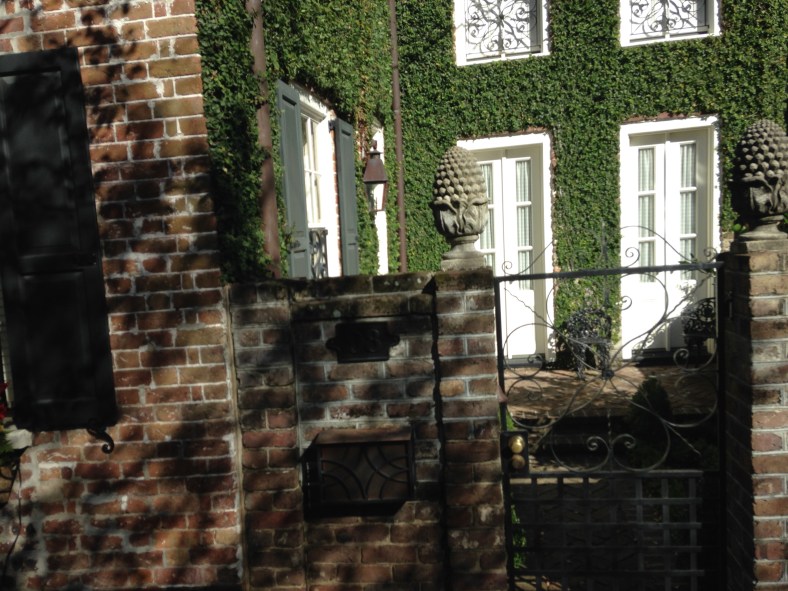
fancygate

An example of pineapple gates

Another thing you see in the SOB is intricate iron work on gates, fences, and windows.  Their purpose was not entirely decorative.  They were installed as protection against slave revolts but of course they have to be lovely and not coarse and vulgar.  Racism in the south is laced with the nuance of genteelity.

During the Civil War, genteel Southerners surrendered anything made of iron to the Confederate Army to be melted into munitions so they could keep the right to own human beings. Those bullets and cannon balls shredded many an arm, a leg and heart but over the years they’ve been replaced.
federalisthouse

Washington/Heyward House


This is one of the oldest houses in Charleston, built in 1772 in the Georgian style by one of the signers of the Declaration of Independence, Thomas Heyward. Today this house is a museum primarily because George Washington once stayed here. There are a number of houses and plantations in the area built by Founding Fathers who themselves owned slaves and believed women shouldn’t vote. I don’t know what to tell you all but it’s sinking into the sea so if you want to visit the City of Facades you’d better visit soon because every morning the streets are flooded with seawater which the non climate change believers  have somehow accepted as normal.

No one can live in a house over two hundred years old without changing the exterior which it appears we in the USA might have to do.

Please skip on over to Norm Frampton’s #ThursdayDoors event to see other doors from around the world.
 

#ThursdayDoors: The Civil War

For #ThursdayDoors (Norm Frampton’s foray into doors around the world) I’m taking y’all to Fort Sumter which sits on a manmade island guarding Charleston South Carolina and which is where the American Civil War, or as the Southerners call it, the War of Northern Aggression, began.  Oddly, the Southerners were the first aggressors, not the Northerners, but we were guests and so held our tongues when the subject of those vile Yankees came up.

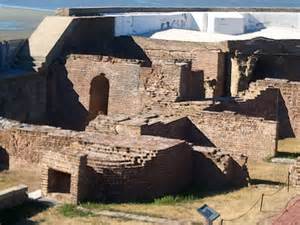
doors_sumpter

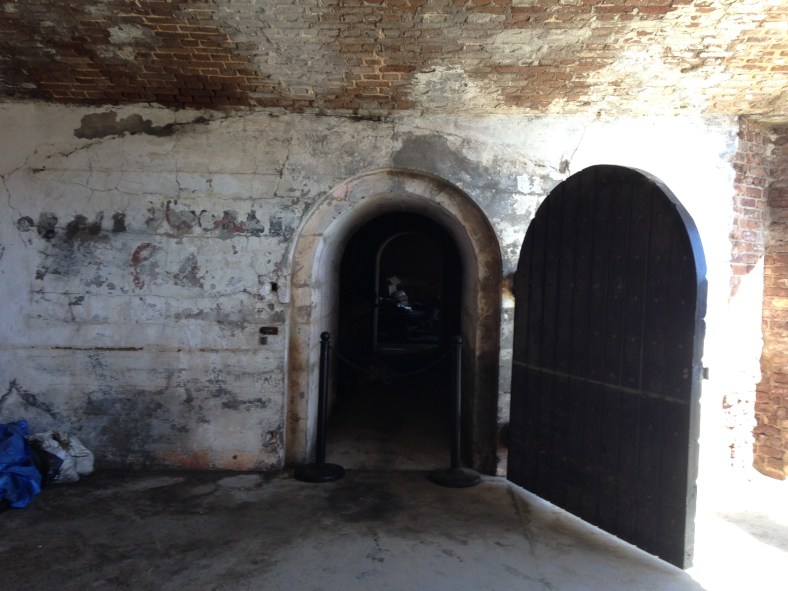
Fort Sumter: doors leading to what’s left of the armory.


Charleston, a town on the south eastern coast of the United States, was founded in 1670 and until 1861 had been a major center of trade, including the selling of human beings. Although the surrounding rice plantations couldn’t survive without slave labor, in the town itself skilled slaves were often given the opportunity to buy their freedom and even own slaves themselves. So Charlestonians considered themselves quite genteel and fiercely resented Northerner implications that they were doing anything at all immoral.

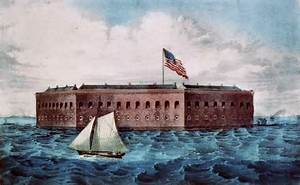
Artist rendering of Fort Sumter.

Artist rendering of Fort Sumter.

After the state of South Carolina seceded from the union, they immediately demanded that the soldiers at Fort Sumter surrender to the newly formed Confederate army. The soldiers responded by flying a US flag so huge the fine citizens of Charleston could see it from their waterfront.

When the Confederates learned that a ship was on its way to supply Fort Sumter, they bombarded the island from two peninsulas on either side (the harbor is shaped like a fishbowl) until nothing remained but rubble.th-3

Remarkably only two Union soldiers died and their deaths were the result of poor artillery training (they blew themselves up).

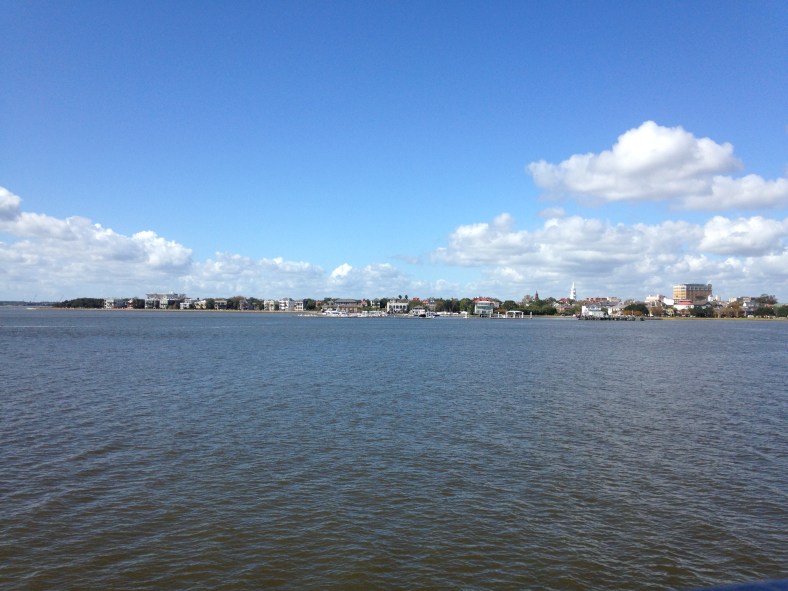
img_2286

View coming into Charleston from Fort Sumter

When I looked across the bay at Charleston I couldn’t help imagining how the union troops must have felt.  There they were, completely surrounded by fellow Americans who’d turned against them and wanted them dead or at least gone. They probably felt the way minorities feel in America today.

doors_sumpter1

Looks like a ghost is down this tunnel, doesn’t it?


"All wars are civil wars because all
 men are brothers" 

François de Salignac de la Mothe-Fénelon

This Thanksgiving I’m grateful to call so many hardworking and decent people of all races, sexual orientations, and religions my friends. It’s horrifying to realize that so many of my fellow Americans don’t feel the same way.

#ThursdayDoors: Bucolic

kellyrobert

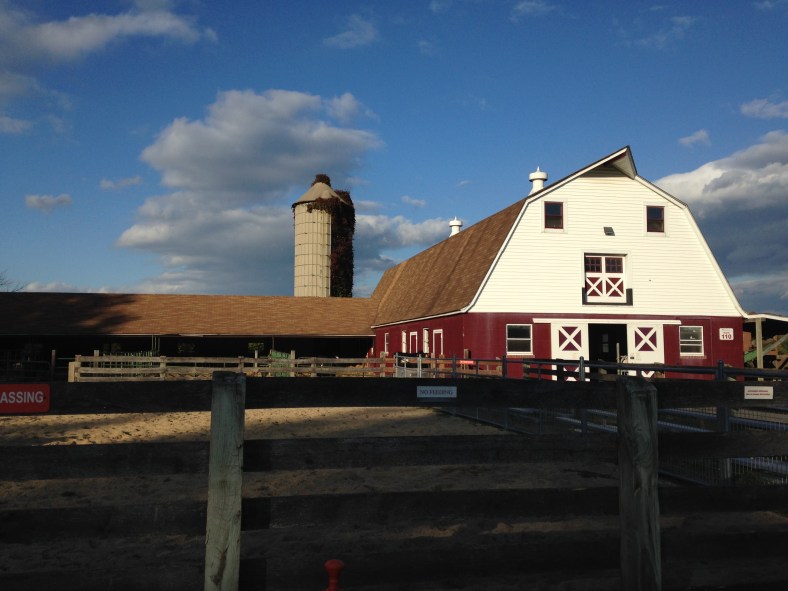
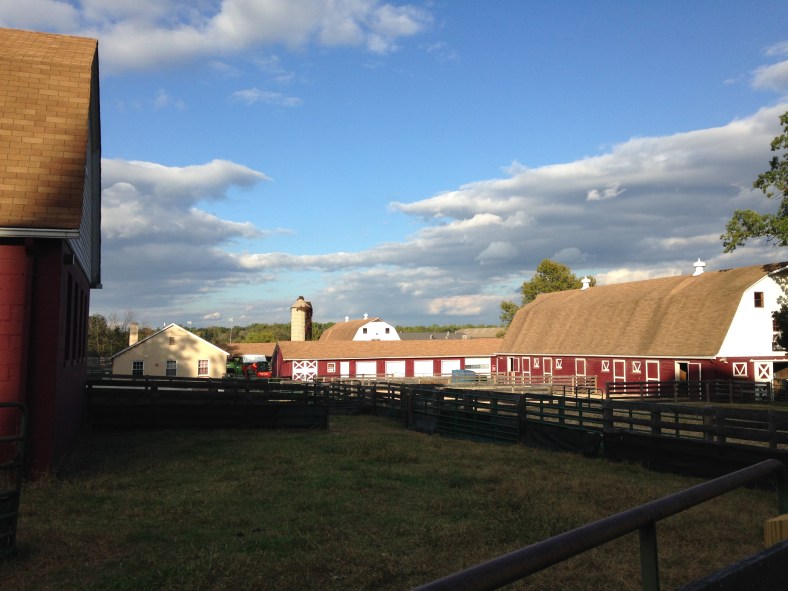
I love the happy faces of well-kept barns, don’t you? I couldn’t get close enough to take a picture of the actual doors without going through the cow pen which would have been trespassing (as well as very messy).

I bet you think I took this picture out in farm country, right? Actually we were on the campus of the University of Maryland, about 20 minutes from downtown Washington DC. This is “The Farm” where agricultural students learn all about animal husbandry.

barn


The students not only tend the cows, sheep, pigs, chickens and horses but they’re also famous for their hand-churned ice-cream.  I’ve never encountered a working farm in the middle of a university campus but I definitely like the idea.  I can’t think of anything more stress-reducing before finals than having a conversation with a pig.  Can you?

Check out Norm’s #ThursdayDoors challenge.  It’s always interesting to see doors from around the world.

#ThursdayDoors: A Stark Contrast

Last month we took a trip back to Washington, DC and Charleston, SC – two places technically in the southeast but, aside from grits and soft-shelled (blue) crabs, they’ve little in common. One is a sprawling metropolis and the other a snapshot of the genteel south circa 1780. Needless to say, I have enough doors to be able to participate in Norm Frampton’s #ThursdayDoor event for a long time.

I’m going to start with these doors from the FDR Memorial to remind my American friends of the stakes at risk in our upcoming Elections.

Door representing the hopelessness of many people during the Great Depression

Door representing the hopelessness of many people during the Great Depression

fdr8

Door to the Soup Kitchen, the only way to survive for many people.

The Republicans and Libertarians have made consistent threats against  programs like the ones President Franklin Delano Roosevelt put into place; programs that saved this country from the Great Depression and provided a safety net for millions of Americans, particularly the weakest and most vulnerable of us.

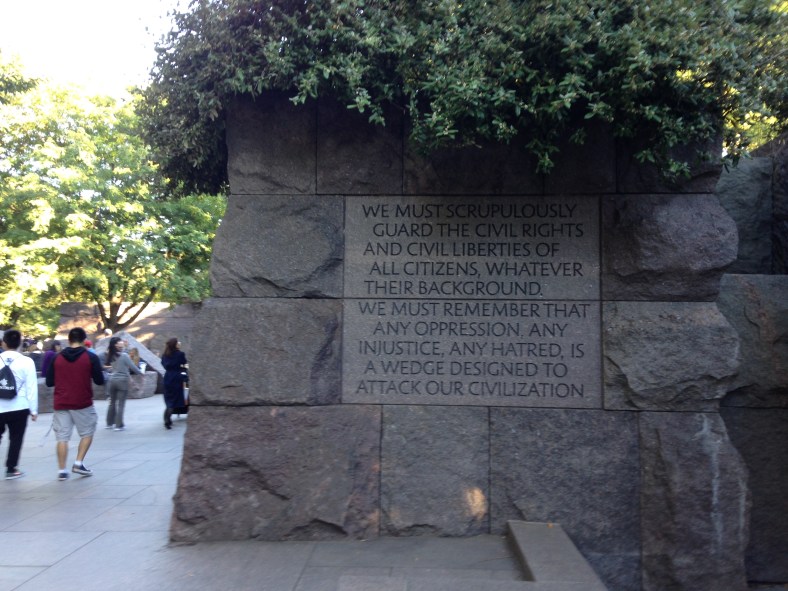
The FDR memorial sits across the Potomac from downtown DC and is just down the road from Arlington Cemetery (which is always on my must visit list.)  The memorial is a maze-like series of granite walls representing each of FDR’s four terms in office. Into the walls are carved quotes from his most famous speeches.fdr15

The one above says:  “We must scrupulously guard the civil rights of all citizens, whatever their background.  We must remember that any oppression, any injustice, any hatred is a wedge designed to attack our civilization.”

FDR and Fala, the only presidential dog to have his own monument.

FDR and Fala, the only presidential dog to have his own monument.

It’s shocking to contrast what a man in a wheelchair and in dubious health created in both words and deeds in twelve years while for eight years our Republican-held congress has accomplished nothing but repeatedly attack Obama care, fund baseless investigations against the Clintons, and encourage through word and deed citizens to turn against each other with hatred, intolerance and incivility. img_2246

I think every American needs to keep in mind why social safety nets were put into place and why any politician seeking to destroy them should be defeated on November 8th. By next Thursday we’ll know.  Are we going to go backwards or forwards – what’s your guess?

Apologies for the darkness of the pictures – we were there in the evening.

Just Like in the Movies

A piece from Duke Miller which I simply had to share.

Duke Miller's avatartin hats

We are born and die ignorant.  There is always something beyond our knowing and surety is the mark of pride and dissolution.  How foolish we are as the world sprouts question marks beneath our feet.

Last night something happened to me that was a small insight into my ignorance.  It was like finding a 1925 quarter stuck behind a door frame by a kind man who understood the future.  It was like hearing why my black neighbor never spoke to me (her daughter had been killed by a white man) and how Nuria looked down upon me from a washed out photo and I knew she was gone, yet I could feel her in the room.

These are pricked emotions that allow me a different understanding about the four walls of my life.

As to my new revelation, I stumbled into it with my dogs and I will never be…

View original post 822 more words

So Say the Winos, Part 6

“My God, Daniel. How long has it been?” Marcia’d slipped a flowered house dress hastily over her hair. On any other woman it would look drab and shapeless but not on her. “I thought you’d finally given up on New York City and gone to live on Walden Pond.”andrewwyeth-siri-large

“No. I’ve been here. Well, around.  Here.”

She spotted the girls and turned her questioning eyes on him.

“You remember what it is to be adrift in this city without friends?” he asked. “It hasn’t been that long.”

“My God Daniel. I haven’t seen you in over a year and now you show up with three runaways?”

“A year? No, that’s not possible. It hasn’t been that long, certainly not in meaningful days and you can’t count my useless days – for which I’ve had many – against me. For the angel who talked with me came again, and waked me, like a man that is wakened out of his sleep.”

“Daniel…” She smiled. “Still hiding behind scripture.”

He’d forgotten how petite and fragile she was, especially considering the type of work she did.Venus of the Sewers came to his defense.“Daniel saved our lives! We were completely out of gas —we had no place to go. We would have been killed or worse.”

“He can’t help himself. He’s a Jesuit.”

“Was…was a Jesuit. No longer.”

“That’s right Daniel, I forgot. Now, you’re the Anti-Christ. How old are you girls?”

“I’m eighteen. My name is Bronte and this is Claire and Fiona.” Venus began, referring first to young Eleanor Roosevelt and then to the Catholic’s daughter.

“Bronte? That’s an unusual name. Did you make it up? You don’t look eighteen. Are you runaways?”

“No, we’re not runaways. And I really am eighteen. We’re musicians. Claire and I play the guitars and Fiona sings and she’s got a really good voice, just like Cher. We tried getting jobs in Montreal but the Canadians wouldn’t give us work permits cause there are too many Americans up there trying to avoid the draft. So we came down here.”

“To New York City? Do you know anyone in the city? “

They shook their heads no. “See, even stupider than we were when you came here to save the world and I came here to escape from God.” Daniel perched himself on the extra-wide window casing. In front of him was an ironing board, one that never got put away.

The girls still stood by the door uncertain of whether they’d be asked to stay.

“Escape from God? Is that what you’re calling your mother these days,” Marcia laughed.

th“Heretic!” Daniel returned. Her face, despite years spent in New York City working on hopeless causes, had not changed. It was still springtime and fresh air. Freckles swam across her nose like wandering stars, making her look much younger than she was. Meanwhile his hairline receded, the lens in his glasses thickened each year and the grime of city air had rendered his complexion dull and grey. He remembered the first time he’d met her. She’d come with his family to see him act badly in the annual Passion Play. He loved how happy his sister’d looked. They were Irish twins and as children had been inseparable; able to read each other’s thoughts and feel each other’s pain. When he went away to seminary she suffered. He could feel it. But she’d finally found a friend, a friend who would treat her mother’s direct line to God the same way she did – with a scoff.

But he’d underestimated his mother.


Mary Ness

Dear Sister,

After you called I opened Dad’s tattered briefcase. I’m not sure what I expected.  Perhaps something as mundane as lecture notes that he never got around to throwing away or an old slide rule. I was right about the slide rule.  From the size and condition, it was probably a college graduation present. I had to chuckle at the belt hook on its leather sleeve because Dad was the only professor nerdy enough to hang a foot long slide rule from his belt and strut all over campus.

sliderule

Another mystery of the tattered briefcase was a pair of beaded moccasins which fit me just fine. I paddled around the house wondering who had worn them before me – an Indian chief or his squaw?  They were in too fine a condition to have been worn everyday and certainly too fancy to wear while scalping blue-eyed devils. I googled their worth and quickly removed them from my smelly feet and put them on the shelf.th

The moccasins sat on a third mystery.  Copies of a law suit filed in 1982. Isn’t it funny what people decide to hang onto?  I’m guiltier than most of hoarding things that will mean nothing to my children. My guess is they’ll just say:  “Bring on the dumpsters.” 

But these papers meant something to Dad otherwise why would he have held onto them so long?  You know me; I had to know why and so I read through them.  

The law suit pertained to the estate of Mary Ness who died in Fargo North Dakota in 1981. She died intestate which meant she had no will.  You’re probably wondering who she was. I have to admit, I didn’t put two and two together right away either but – remember those five dollar checks that came faithfully on birthdays and Christmas from an aunt we never met but to whom we had to write thank you notes. Well, that was Mary Ness, Dad’s aunt.  And who filed the suit?  Dad’s sister and our cousins.

When you die intestate, the state decides who inherits your property but before they do, they have to conduct a search for all of your living relatives. In her case the state discovered that from the age of fourteen Mary Ness hid what she must have considered a shameful past.  When she met Elmer, our GrandMother’s brother, she claimed to be an orphan with no living relatives.  Elmer, badly wounded in WWI, suffered for twenty years until alcoholism did him in, leaving Mary in the talons of that beacon of virtue and propriety GrandMother Myrtle. You remember how kind-hearted and non-judgmental GrandMother was, don’t you?  Ha! Even her own mother was scared shitless of her. 

Mary never remarried and never had kids.  She lived her entire life in North Dakota where she worked as a clerk. And when she grew old and infirm, our aunt took care of her with the assurance that she would inherit her estate of approximately $250,000, mostly held in bonds. 

img_2152

Only picture I could find of a young Mary Ness.

You’ve probably guessed the outcome of the state’s search.  Mary Ness lied.  She was not an orphan. She was an outcast. The search for heirs revealed she had a living brother and sister, two nephews and a niece, all of whom – except for one of the nephews – lived in small farming towns in North Dakota and Minnesota. When Mary Ness’ “family” found out money was involved,  they promptly came forward. One of the “nephews” even produced a birth certificate proving that Mary was his mother and not her sister, Gerta, who raised him. 

The nephew’s birth certificate (dated Feb 17, 1914) states that his father was Vernon Scott, 27, a farmer and Gerta’s husband. His mother was listed as Mary Ness, 22, a housewife born in North Dakota.  However, lawyers for the state quickly discovered that Mary Ness was born in Sweden in 1899 which would have made her 14 when the boy was born; not 22.

As to what happened, who knows.  Did Mary Ness seduce her sister’s husband?  Was she raped?  The only thing we know is that after the birth, she was shuttled off to the city to try to make it on her own, where she met Elmer, himself a broken man.  Did he know her history?  If he did, it died with him.98444731_134965700127

Dad’s sister quickly latched upon all of these inconsistencies and contested the state’s decision. She went so far as to claim she was ‘betrayed’ by Mary because she and Dad were led to believe they were her only heirs.  Oh, how Dad hated to be part of that ugly mess. One of the documents is a notarized statement from him that he wanted nothing to do with any of any proceeds gained as a part of the suit. Sadly the bulk of the inheritance went to a family that turned their back on a fourteen year old girl. 

img_2151

They’re all dead now.  The aunts, the cousins and all who came before them. Their secrets in briefcases, saved by someone who didn’t want to remember, inherited by someone with an inconvenient imagination.

Running to the Edge of the World

Duke Miller's avatartin hats

“Would you like another drink?”

“No thanks.”

“You don’t seem very happy right now.”

“Parties…I’ve never liked them.”

“Why not?”

“No reason….”

The music died and there was only the sound of insects and low voices.  The full moon winked in the clouds beneath the apathetic stars.

“When I was a teenager a girl invited me to her birthday party.  Her name was Francine.  She wasn’t very popular.  No friends to speak of.  You know the type I’m sure.  She was tall and boyish, gangling with thin arms and big feet.  And I had befriended her because she liked to run.  She wasn’t fast or anything, she just liked to run in the countryside, across the fields and up the dirt trails above our little town.  We would take our dogs and run in the evening as the sun slowly disappeared in the trees.  We always said we were running…

View original post 738 more words

What We’ve Missed

Dear J,

I’ve been writing you letters in my mind. They swell up whenever I see pictures of your grandchildren – age three and one – posted on the Facebook as everything is these days. You would have gotten yourself into big trouble on Facebook with an inappropriate comment or two, just as I have. But in your case alcohol would not be to blame because you did not drink. Until you knew it was the end and then you said perhaps I’ll have a glass or two. That night we drove to Grizzly Peak and watched the flamed-out sun sink into the Pacific and you sang “Farewell Angelina, the skies are on fire and I must go.”  It took us back to where we began, a basement on Washington Street, a record player, incense, your love of apocalyptic visions and mine of fairy tale endings.  Eventually we blended into Tolkien. 

We left each other’s lives because of the men we married which is how many relationships between women end.  But somehow we managed to stay in touch, if only via a yearly phone call on our birthdays which would go on for hours and cost a fortune. We missed seeing each other’s children grow. We missed being there for each other during long and painful divorces and the death of parents. In fact if it hadn’t been for your cancer, we might never have made that last ditch effort to recapture our youth.

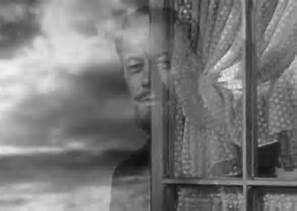
I try not to be maudlin; I try not to cry but when I see those darling faces I can’t help but think of a line from one of my favorite movies, The Ghost and Mrs. Muir.

th

How you’d have loved the North Cape and the Fjords and the Midnight Sun. To sail across the reef at Barbados where the blue water turns to green. To the Falklands where a southernly gale rips the whole sea white. What we’ve missed Lucia, what we’ve both missed.

We said our good-byes at the TSA checkin. Well, it’s more like we yelled good-bye. I was being dragged to the exit for allegedly trying to “smuggle” my grandmother’s tiny manicure set through security and you were waiting in a wheelchair for someone to take you to the gate. The poor TSA agent’s body trembled. He was just doing his job. Of course you made it worse by telling him you had terminal cancer.

I got to keep my grandmother’s ivory manicure set but I lost you.

Love,

Jan, the Fratz of Pooh

My Masterpiece

While checking over my document for “widows” and “orphans” I ran into some truly horrid writing so I’ve suspended my re-pub effort and am going to post some pieces from TinHats. First, the Duke.

Duke Miller's avatartin hats

Stop straining.  Don’t talk and calm your heart…down, down, down…along the spine between the shoulder blades and then upwards, into the chest.

Destroyed buildings in remote parts of the world were better than five-star hotels. I was here to scout for a narrow stretch of the river suitable to construct a footbridge. The old bridge had been cut by the military and the rusty cables were dragging in the current of clear mountain water.  The banks had been eroded by the rains and on the other side I could see a few Indian huts and a line of smoke in the trees.  I was just north of the Ixil Triangle in Guatemala.  The war was sputtering to an end, but try telling that to landmines or people disappeared by the military or potshot by some grim band of the EGP.

Breathe evenly; otherwise the hyperventilation will start.

My masterpiece, the…

View original post 722 more words