[Note: this is a political diatribe not aimed at my readers and so I will understand if you wish to skip this post]
Not all people over sixty were hippies. I know many older people who are actively protesting against the current attempt at tyranny who’ve never been on a commune in their lives. Who’ve never gone to Haight Ashbury and worn flowers in the hair; who’ve never rocked out to a Grateful Dead concert and dropped acid. The young whippersnappers who are dissing older protesters by calling them “Elderly White Hippies” are in for a big surprise. Don’t tell them though. They won’t believe you.
Image from BlueSky
Nor were all hippies white although I will concede that the majority of the self-described hippies I met way back when were the children of white or whitish upper middle class professionals. For some of them, being a hippie was just a phase (I fall into that category). And after a few vagabond years, they settled into what could be described as normal lives. But many “hippies” turned their experiences on communes into lives devoted to socially and environmentally aware living. Many did great things. For sure, we changed the world although not as much as we’d naively hoped.
And so, if you’re over a certain age, sing along with me. Even if you’re not, someday, if you’re lucky, you will be. Might as well get prepared for the dissing of the young and clueless whippersnappers.
THEY SAY WE’RE OLD AND WE DON’T VOTE
They say we’re old and we don’t vote All we do is sleep and watch TV They don’t know the risk they take For dissing one’s elders never turns out great.
My granny after a few vodkas and after being dissed – watch out!
Although it’s true, we may smoke pot, At least I’m sure of all the things we got We’ve got the time, to organize. We’ve got the patience, to see it through. And if they think we’re scared, then they don’t know, about the Four Dead in Ohio.
Let them say our hair’s too gray We don’t care. What we’ve got, they cannot take away So, put your wrinkled hand in mine There ain’t no hill or mountain we can’t climb.
We finally decided to take the old Prius in for the Necessary Oil Maintenance the dashboard monitor had been displaying for weeks. My husband translated that to oil change which is something he used to be able to handle in the privacy of our driveway for very little cost. But that was before. Prius’ are special … as are most cars started via buttons and not keys. Lord.
From the Orinda Vintage Car Show – a car using manual ignition
So I contacted the dealer we generally use to schedule an oil change. It should take about two hours max, right? I asked. Noooooo, was the snide reply I received. The car needed its 70,000 mile grand nincompoopery of “services.” A dizzying list of valve checks, fluid replacements, tire rotations, brake fluid checks, face lifts, tummy tucks, nose jobs and oh, if there’s rat damage, well you better take out that second mortgage. And … there’s always rat damage. (I’ve long suspected the local auto dealers and repair shops are importing rats from all over the world and releasing them in Contra Costa California with the hearty admonition togo forth and consume the wires, hoses, insulation and whatever else appeals to them in every vehicle … be those vehicles in a garage or in the street! )
For various reasons, I dread going to the Toyota dealer. And so when a coupon arrived from an auto shop within walking distance of my house, I decided to give them a try. They’re a small shop whose owners love vintage cars. Every year they hold a vintage car show that keeps attracting more and more people and so I was surprised they also service newer cars. And they were very friendly; no snide remarks.
I drove over this morning and, as directed, parked the filthy beast behind two mint condition vintage Thunderbirds. After checking in with their staff of amateur comedians (“How long will the service take?” “The rest of the year.”) I decided the weather was perfect for the long walk home. No need for a Lyft. Although the comedians had their doubts. “Try to remember exactly where you are in case you can’t make it and we have to come get you.” Gads. Do I look that old?
Well, I made it. Come with me on my walk, will you?
Above is the beginning of my walk – the sidewalk in front of the community center, library and park. It’s generally a very busy area but not at 8:30 in the morning.
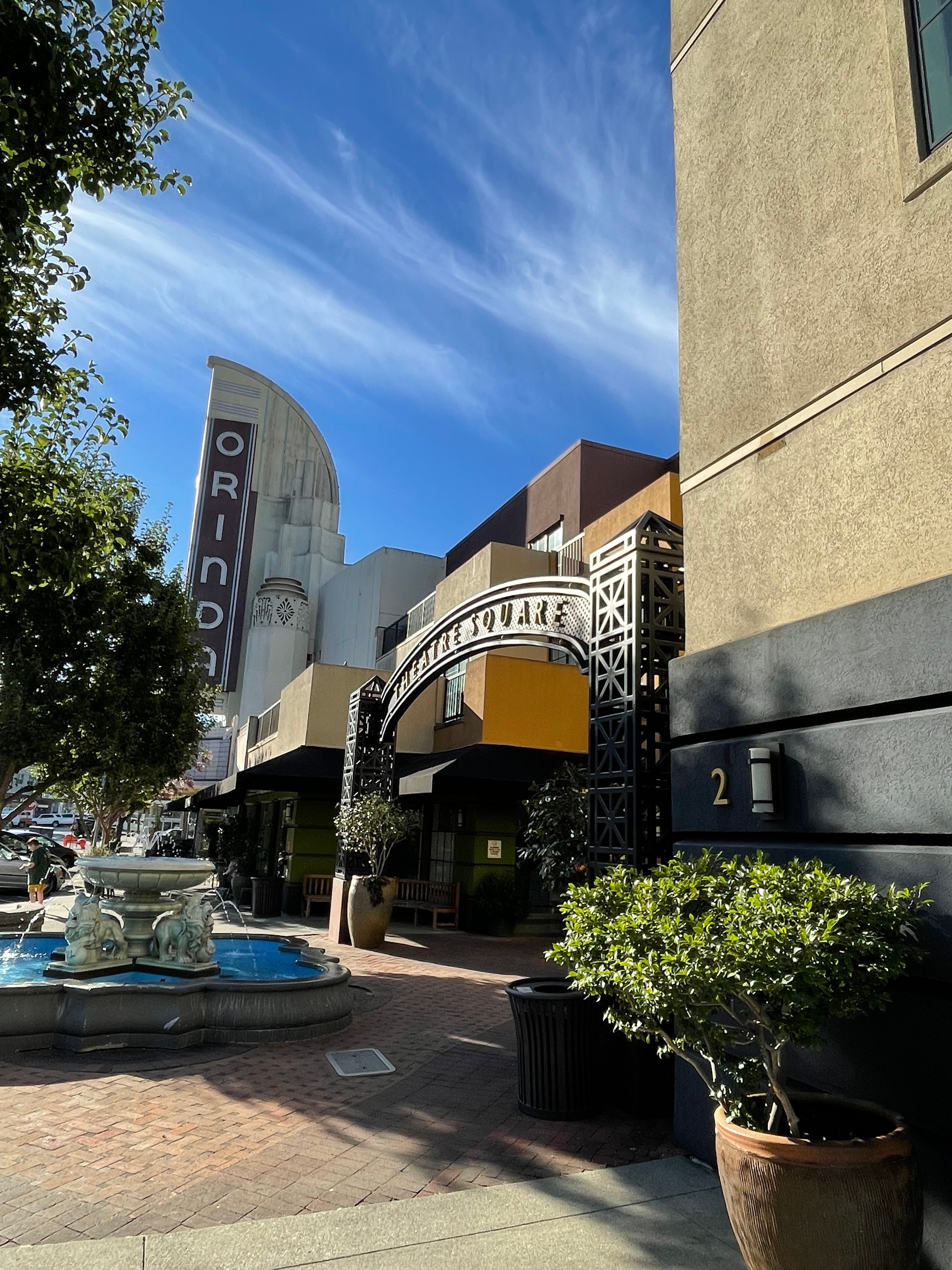
I know I’ve posted pictures of the old Art Deco Theatre before but indulge me once again. The morning light gave it a special glow.
The theater has been putting on various events all summer. The next one involves this guy – seen a couple nights ago passing out fliers.
Can you guess what he was advertising?
The last hill to climb. It’s steeper than it looks but I love passing through the redwood grove. Those trees have been here since before the Pony Express rode through them. The houses are built around them.
It’s gotten hot so the old Prius will probably have to spend the night at the garage. No way I’m walking back over there in the 100 degree heat!
By the way, it was great fun interacting with those of you who checked out my interview on Yvette’s Priorhouse blog! As a result, I look forward to getting to know several new (to me) bloggers and to interviewing Yvette and her fellow writers once their book comes out in October. More on that as it gets closer!
It’s hot but there are signs of autumn all around.
I can see the need for usernames and passwords at financial institutions, but the other day I called Pampered Pet Ranch where we occasionally board our cat and was told to:
Visit their website and agree to all their cookies, disclaimers, policies, guidelines, etc.
Create an account with username, password, backup email, backup phone #, etc.
Validate our human existence by solving a set of visual brainteasers designed for those people with an IQ of 200 or above. You had three chances before being declared a bot.
Provide vet’s name, address, email and last health report.
Complete their extensive questionnaire:
How many minutes a day does your pet require additional pampering (at $9.99 a minute)
Does your pet have a pet name?
How does your pet display anxiety?
Complete request for boarding
Day and time of drop off
Day and time of pick up
Food requirements
Check back hourly for confirmation
In other words, they were no longer taking reservations over the phone.
Do you suffer from anxiety Kitty?Are you kidding? I’m a cat!
This left me wondering, how many people actually called Pampered Pet Ranch and made reservations for other people’s pets? If the answer is thousands, hundreds, or even a dozen, this country is even sicker than I thought. More than likely they found that gathering necessary information this way was more reliable that depending on their young staff. Or the fickleness of their clientele. At least they know where to put the blame for flub ups!
They also required Kitty’s mug shot, I guess in case an imposter tried to take his place.
Pampered Pet Ranch is not the only website requiring one of the hundreds of username/ password combos that clutter my little black book. I have usernames and passwords for:
Hotel chains I have visited once
Saline nasal pods for a machine that hasn’t worked for years
The toilet paper people who became so busy during the pandemic that they were always out
Our medical provider, Kaiser Permanente which provides preventative care for seniors provided those seniors can figure out their complicated and constantly “updated” online system.
Sign seen while having a pelvic exam.Really? Having a lovely time with cold, metal instruments shoved up my vagina. @kaiser
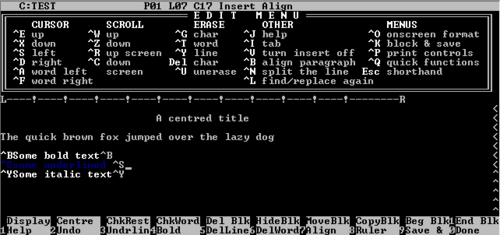
I think it’s unfair to expect aging baby boomers to keep up with technology. After all, we were the first people to own personal computers back when knowledge of a computer language was necessary to run the damn things. You couldn’t just bark orders at a Compaq or wave a magic finger over the screen.
WordStar screen borrowed from Wikipedia
I can still remember the secretaries in our office who vowed to never ever switch from their beloved typewriters to a computer! Never ever and indeed, it did take a while for many of them to change their minds.
The horrible machine that was going to make typewriters extinct!
I can also remember the day the internet captured my mother-in-law’s favorite granddaughter. It was my fault really. Bernita was staying with us when she heard from her other son that “darling Lena” had won a statewide award and that the ceremony had been broadcast over something called “the internet.” I found the site and showed her the ceremony on my computer screen. There was Lena, climbing the stairs to the stage and accepting her award. Huge smiles on her face. Applause all around.
Bernita turned to me in horror. “Oh my Lord. They’ve captured Lena! How horrible!” She began to quiver. “My darling Lena!”
Borrowed from Bing images
“No Bernita, She won the grand prize in the state science fair and they put the ceremony on the web. That’s what I’m showing you. She’s fine.”
“She’s caught in the web?” By this time she was in full panic. “Turn that thing off! Make it stop stealing children!” She bolted from my tiny office and vowed never to enter that unholy chamber again.
It’s a good thing she never had to do a video conference with her doctor!
Yup … if there are passwords in heaven, I’m checking out that other place!
BTW – because of some oddness between Word and WordPress, I had to use the old Ctrl V (copy) Ctrl P (paste) commands to create this post. Commands I learned over thirty years ago. So much for progress. We’re going backwards in more ways that we can count.
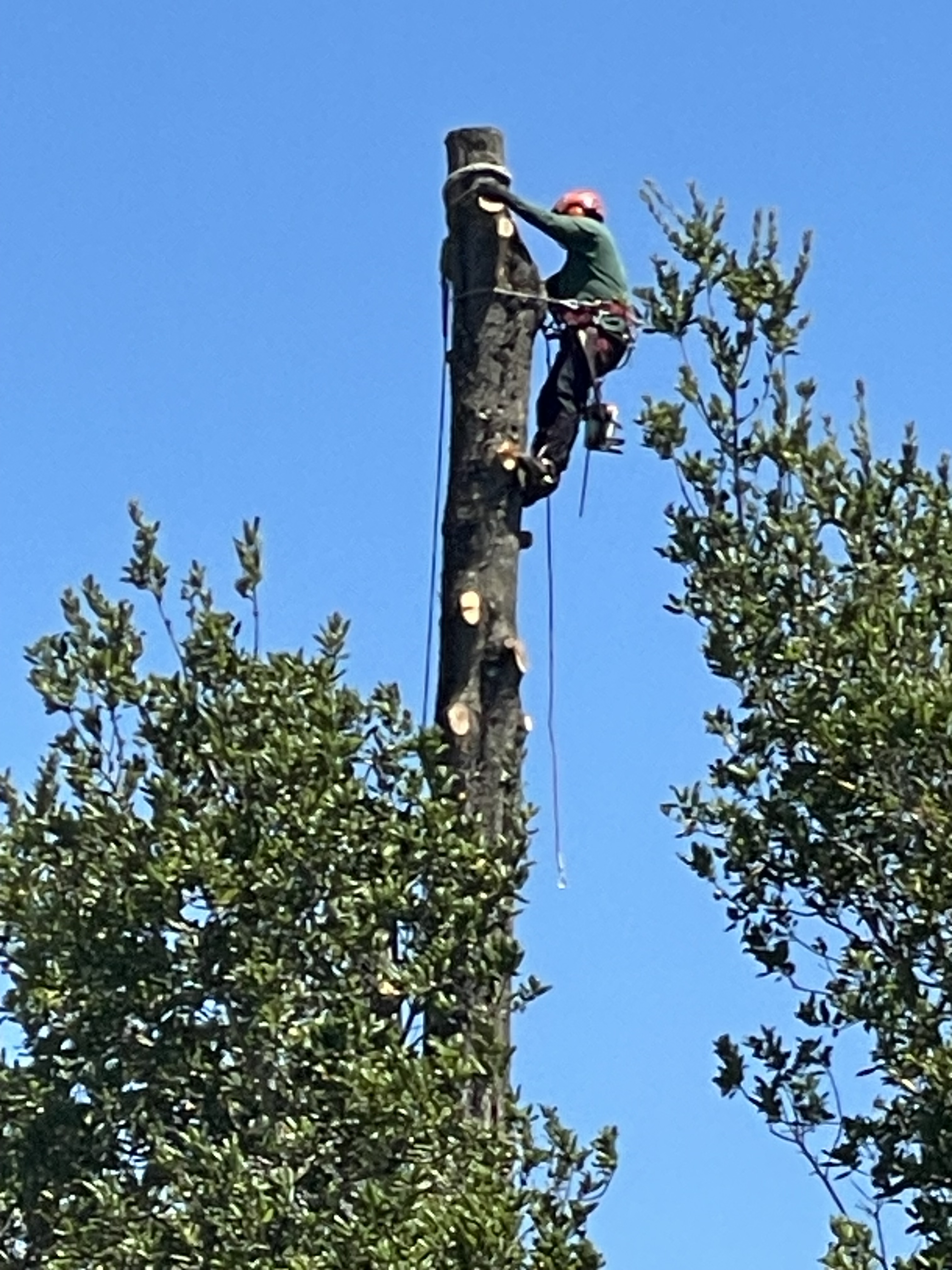
Once the view from the ridge above my house. To the right is a group of pine trees, as of tonight – after six long days of chainsaws and limb grinding – gone. All gone. Sliced and diced and thrown into the wood chipper.
The granddaddy of the tree family was visible from my deck. When I heard the chainsaws and realized what was up, I ran out to get a shot before the sawing began. Unfortunately the rising sun made a good shot impossible.
I know logically that if a tree that size fell it could cause great damage and so it had to go. Slowly and carefully as there are houses nearby. Six days it took and for six days I listened. I could have gone elsewhere but I felt I must stay and mourn it’s passing.
When it comes to trees, I guess you could say I’m a wee bit fay, as the Irish would say.
The tree by early afternoon.
For thirty years I’d watched hawks perch on top of this tree, surveying the whole valley for prey or just taking in the view. They mounted no defense for fear of the chainsaws, the ropes, and the men shouting and whistling as they worked.
All in Spanish, such a lively language for a grim task. But I had to admire their bravery and skill.
Sawing and grinding until …
The final surrender; only the skeleton remained. Not a dignified ending, my friend, but you will be remembered.
The other day I received a communication of the utmost confidentiality and significance from a Mr. Pauwels Gaetan informing me that his client, Engr. Eldric Twissel, a distinguished business contractor for decades in Brussels had passed away due to a myocardial infarction shortly after the tragic loss of his entire family in a vehicular accident. In case you don’t believe me, here is that very same communication (with a bit of berry pie spilled on it I’m afraid.)
Reading further, I was stunned to learn that I am apparently the last living Twissel on the planet! And, as such, I am eligible to inherit good old Eldric’s 9,995,980.00 (Nine Million, Nine Hundred Ninety-Five Thousand, Nine Hundred Eighty Euros) which will make me – gasp – a billionaire? (I have no idea what the exchange rate is so I’m just guessing.)
After a month of fog, finally the sun! Oh, my happy days are here!
Unfortunately my friends, billionaires don’t blog. But I’ll remember each of you fondly on my yacht.
First … I suppose I’ll have to hire Pauwies to “assist” me through a “entirely legitimate” process with “no legal risks or exposure” to myself. All he expects in return is half of the 9,995, 980.00 Euros! What a gent!
Next, I guess I better head down to my bank to prepare them. Pauweis will undoubtedly want access to my account. You know, to make it easier to transfer the funds. Oh, and I better call my tax guy … perhaps I should relocate to Switzerland in order to avoid horrendous taxes? Oh dear, so many decisions. So much to prepare for!
A bench dedicated to Eldric and the Twissels?
Of course, I’ll have to do something to honor Eldric and all those poor unfortunate Twissels who met their demise in some ghastly vehicular accident. Any suggestions?
Good Friday always reminds of the Seagrass family under whose wings I spent my high school years. They celebrated every holiday to the max, unlike my family. Easter we might get dressed up and go to church. Or we might not. One year we went to the Lutheran Church because my paternal grandparents were visiting and grandmother insisted that we not only go to church but that we look respectable.
My brother still hates wearing a suit! But my little sister has become quite the fashion plate. Don’t show her this picture. She’ll really pitch a fit!
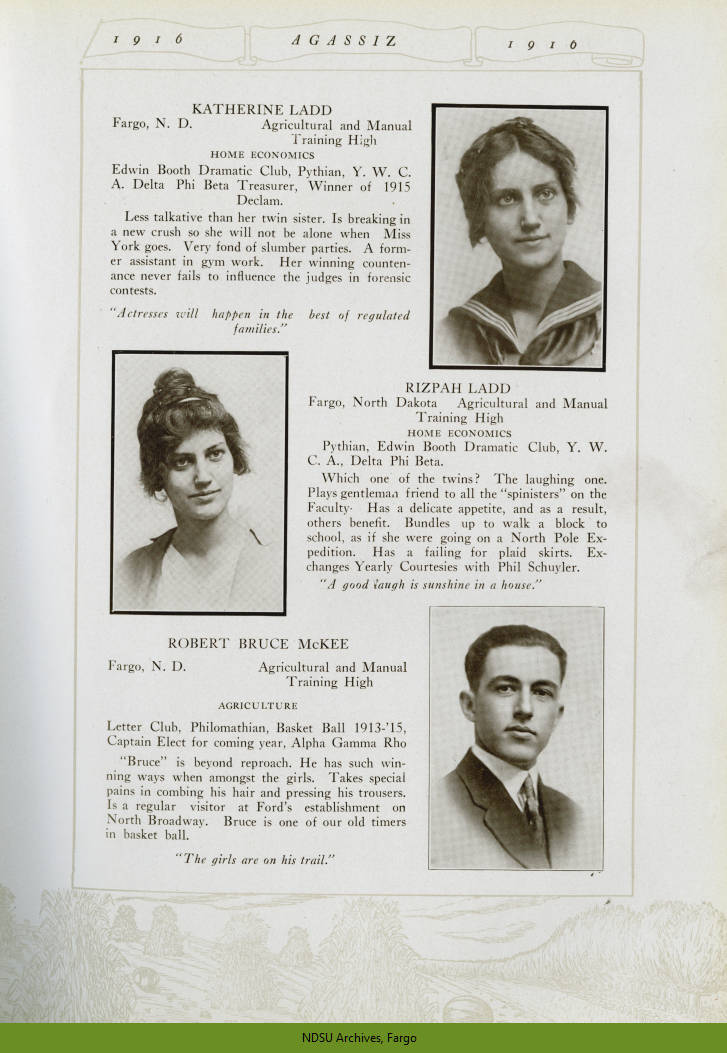
The cheerful couple in the above picture, Myrtle and RB Senior, met in Fargo North Dakota and spent twenty-five years working on Indian reservations. I never really understood why until I recently discovered that RB Senior was a descendant of White Elk, aka Colonel Alexander McKee and Nonhelema, aka Grenadier Squaw. So living amongst the Native Americans was in his DNA. Unfortunately it was a life that hardened my grandmother to the point that she made RB Senior’s later years miserable. I only remember the quiet, taciturn man who died when I was twenty. But recently, via the miracle of the internet, I discovered he wasn’t always that way.
Oh Bruce, we never knew! Why didn’t you marry Katherine Ladd, whose “winning countenance never fails to influence the judges in forensic contests”? Or her twin sister, Rizpah, the laughing twin, who “plays gentleman friend to all the spinsters on the faculty.” A good laugh is indeed sunshine in a house. Or both sisters! You could have done it Bruce! Although, what was this Ford’s establishment on North Broadway you famously frequented?
Once again I have the ancestors in an uproar! But it is the holiday for forgiveness, right?
For years now I’ve been following Bojana Stojcic whose work has been published in a whole slew of online magazines. Recently she pulled together a collection of her short short and flash fiction pieces for DarkWinter Press, an independent publishing company located in Ontario Canada that wants “your weird, your traditional with a twist, your humour, your dark thoughts, or your elation. We’re open to anything—just make it interesting. Make us think.” They certainly hit the ball out of the park with Bojana. Her work does all of those things.
Imagine, if you will, Bojana and I are sitting at an outdoor cafe in Munich, which is her current home, discussing her book.
From Bing Images
Jan: Thank you for stopping by for tea to discuss your new book! I must say, you look divine. Not at all the frazzled writer! As I was reading your book I kept thinking: this writer is a chameleon who’s not going to let readers pigeon hole her work. At times, wise and witty (“today I am a future pile of dust like you.”) and at other times raw to the bone (“I need evidence that I’m alive.”) Is there a writer with whom you most identify?
Bojana: There are a lot of writers I look up to but, rather than identifying with any particular writer, what matters more to me is to identify as one. Writing doesn’t come easily to me. I know some people who write prolifically, whether it be essays or blog posts or poetry. I’m not one of them, although that doesn’t stop me from wondering what specific mindset allows someone to write that much. Then I find comfort in the thought that fiction requires a somewhat different approach. An author summed up writing fiction beautifully: the first draft is like getting lost in the woods, editing is your map and revision finding your way back out. And, to quote Robert Frost, “The woods are lovely, dark and deep.” It’s easy to get lost in them.
Writing means observing, listening, reflecting. It also means research and regularity. Most importantly, to be a writer, you have to read like one, which is precisely what I do. As someone who is more curious about how than wow, I analyze instead of getting lost in the story. I study characters thoroughly, reread interesting dialogues, monologues and descriptions, I pay attention to the sentence structure. Finally, I contemplate the word choice to better understand the motivations and conflicts. I need to think long and hard about every single detail, always keeping in mind the emotion I’d like to provoke. I need my readers to feel the horror, envy, anger. I want them to grieve with my protagonists, to ache with them, to be equally disgusted or brokenhearted or utterly apathetic and withdrawn. Like in real life. It’s easy to judge. What’s way harder is to understand someone’s reluctance to make any effort to change or improve things. To show compassion and a willingness to believe that choosing pain doesn’t always mean making the wrong choice.
Jan: Is there an example of what you mean in one of your stories?
Bojana: Yes. In Once You Have a Duvet, You’ll Be Fine
You begin to feel it at a young age; your body gives you signs so you damage it once, you damage it twice, too many times to remember. Because you don't know a better way to cope. Roll with it, they say, like a ship in a storm. I wish I could say, I tried but it didn't work. Truth is, I didn't. Like a letter thrown into the fire,I darkened and curled before bursting into flames.
Jan: You hear a lot about flash fiction these days, but how is it different from short stories and does the genre have anything to do with the title of your book? You know, knives cutting like editors editing?
Bojana: For the record, I came up with the recurring knives and blades symbolism after I’d written at least a dozen stories, when I realized I could be actually working on a book. The thing is, I needed a strong metaphor, some sort of a unifying idea which would put together seemingly dissimilar things and, since I’m a huge fan of everything chilling and eerie in storytelling, blades seemed like a good choice, as they only further stressed the emotional turmoil and expectations the protagonists had to cope with.
Back to flash fiction which is actually a shorter version of a short story, its length normally not exceeding 1,000 words. Plenty of editors/publishers are pretty specific about publishing one, but not necessarily the other, which is why I like to call Knives All Blade a collection of short stories and flash fiction. Let’s put it this way: flash fiction tries to tell big, rich, complex stories quickly and concisely, each word carefully chosen to convey emotion and atmosphere. For me, telling a story compressed into limited language, without wasting time or space, is what’s most challenging about it.
One of the keys to flash fiction is a sense of urgency. The point is to start in medias res, to throw readers right into the thick of it. This creates a sense of immediacy and helps build tension, as it raises questions that readers will be able to answer only if they go on reading. I enjoy writing intense, gripping stories, pulling readers by the heart without releasing tension from the beginning to that climax, every scene compelling them to hold their breath or stop breathing altogether. It’s a process. It takes time to learn the ropes. To learn how to build tension and when to slow things down, how to effectively use a mix of long and short sentences to communicate the protagonists’ thoughts and feelings, how to surprise the reader, write a story that inverts themes.
Jan: Can you give us an example of what you mean by sense of urgency and stories that invert themes?
Bojana: Here’s an example of urgency from Life to the Throat
A knife will always manage to surprise you, like your period," I told my little girl, giving her one as a gift when she started bleeding. "That blood running prepares you for pregnancy. Learn how to use it."
I wish I'd had one. I was so confused.
Regarding “inverts themes” that would be hard, if not impossible, to name an example here because the twist/resolution happens literally in the very end, so you’d have to know the whole story to understand. A good example would be Beyond the Ditches when you come to realize it’s not a story about the challenges of being a mother, but about childlessness. (It was all in her mind, making up the kid as either a copying mechanism or impact of trauma.) Or, say How to Skin a Dogfish when zio Luigi becomes a likely murderer and we see that K is actually a parrot, not a child. Or maybe Once You Have a Duvet … again.
Unknown to her, a letter arrived from court in late January, saying an eviction order had been placed on the house, that she had seven days to leave the property. Her husband stopped paying the mortgage, full of surprises as ever. All the while she waited for him under a tree, blossom-fringed branches bowing toward the ground, as if begging for forgiveness. Waited with bated breath to say I tried so hard to stop the situation getting this far, to see what he would say about her leaving him.
Flash fiction isn’t plot-heavy, thank god. It’s all about capturing moments, and sparking the imagination, which enabled me to put more emphasis on character development. That being said, each story required a different approach. And yes, some were definitely more difficult to tell than the others. It wasn’t always easy to translate all those images and ideas into actual words that carried a story along. That’s something I had to learn as well. To stop fretting about details or editing every little thing. The first draft is ugly for a reason.
There’s more to it, of course. If I didn’t know enough about a subject, for example, I would do research, go back to reading. Slowly and critically. This also included reading relevant books, news, articles, blogs, etc, as well as essays on human behavior to better understand personality development and create believable stories and layered characters that the reader can relate to. Writers need to understand people because we write for people, about people.
Jan: Yes indeed. Thanks for stopping by and spending some time with me. I hope that Knives All Blade will get the widespread attention it deserves.
Lovely Readers, I know many of you write flash fiction, do you have any questions for Bojana?
Okay. I did it. Finally launched the ebook version of Happy Hour and Other Sorrows. I attempted to also launch the paperback but Amazon claimed the ISBN was assigned to another book which was BS but try arguing with Amazon on a Sunday night after a bit of wine (for courage) might have been involved.
Yes, those of you on the side of color were absolutely right. The mostly black and white doesn’t work. So I’ll be changing the cover as soon as our weather turns cool and rainy again. Today temps are set to hit the eighties (80s) and so as soon as I finish this post, I’ll be outside in the garden! But there’s no need to rush. This book contains no sex, no real violence, no zombies and very little bad language. It’ll never go anywhere! I’m just happy to be done with it after soooo many years and iterations.
In other news. I’m really excited to announce an upcoming interview with Bojana Stojcic regarding a book of flash fiction she wrote entitled Knives All Blade. Here’s a teaser:
She’s a fascinating writer/poetess who seems to have a handle on the flash fiction genre. I keep asking her more questions about the subject because, as long time followers know, I’ve got a real thing for short stories in all their various forms.
But not today – it’s glorious outside for at least one more day!
I haven’t been around lately because I’m planning to re-release two books I wrote over ten years ago. The first one Flipka has a modified ending but otherwise is the same wacky tale described here. The second book has undergone a different POV and will get a new name. Readers had complained they didn’t know what the heroine would do next. That’s not an issue any more!
Rough draft for the cover. Do you think it needs more color?
Many decades ago I spent the week before Christmas hanging out at the Officer’s Club in Worms Germany with military personnel, primarily civilian, who’d opted not to return to the states for the holidays. The club had been decorated for the season with plastic poinsettias and cinnamon scented candles. Canned Christmas carols played. Drinks and bar food were half off but it was still a dreary place. One evening I sat at a table with a be-speckled young man who barely looked up at me as he scribbled on a notepad.
He was a cartoonist for various publications distributed to military personnel.
It was fascinating to watch him work. But eventually Happy Hour was over. I told him how much I loved his work – having spent many a Happy Hour waiting for my uncle to finishing schmoozing with his co-workers so that I could drive him home. And he handed me the drawings.
I wish I’d caught his name but I was so young. At least I had the sense to hold onto his scribbles and the memory of that evening all these years ago.
When I was thinking of a new title, those cartoons came to mind. And a record my uncle used to play …. every damn evening! Stanyan Streets and Other Sorrows by Rod McKuen. And every damn evening it got stuck on the same song:
For a while the only earth that Sloopy knew was her sandbox Two rooms on 55th Street was her domain Every night she’d sit in the window among the avocado plants Waiting for me to come home My arms filled with canned liver and love We’d talk into the night then contented but missing something She, the earth she never knew, me, the hills I ran while growing bent Sloopy should have been a cowboy’s cat With prairies to run, not linoleum And real live catnip mice No one to depend on but herself I never told her but in my mind I was a midnight cowboy even then Riding my imaginary horse down 42nd street Going off with strangers to live an hour long cowboy’s life But always coming home to Sloopy who loved me best For a dozen summers we lived against the world an island on an island She’d comfort me with purring I’d fatten her with smiles We grew rich on trust needing not the beach or butterflies I had a friend named Ben who painted buildings like Rouault men He went away My laughter tired Lillian after a time She found a man who only smiled But Sloopy stayed and stayed Winter 1959 old men walk their dogs Some are walked so often that their feet Leave little pink tracks in the soft gray snow Woman fur on fur Elegant and easy only slightly pure Hailing cabs to take them round the block and back Who is not a love seeker when December comes? Even children pray to Santa Claus I had my own love safe at home And yet I stayed out all one night and the next day too They must of thought me crazy screaming Sloopy Sloopy As the snow came falling down around me I was a madman to have stayed away One minute more than the appointed hour I’d like to think a golden cowboy snatched her from the window sill And safely saddle bagged she rode to Arizona She’s stalking lizards in the cactus now perhaps, bitter, but free I’m bitter too And not a free man anymore But once was a time in New York’s jungle in a tree Before I went into the world in search of other kinds of love Nobody owned me, but a can named Sloopy Looking back perhaps she’s been the only human thing That ever gave love back to me
Legend has it that my mother’s water broke while she was shooting the bull with her two younger brothers in my grandmother’s kitchen. Charley, the elder of the two boys, frantically called The Enforcer (aka Grandma), who was the head nurse at the hospital in the next town over and she ordered him to drive Mother to the hospital PDQ. But Charley couldn’t do it. Perhaps it was the sight of all that embryonic fluid on his mother’s kitchen floor or perhaps Charley had begun to celebrate the weekend a little early. And so fourteen year old Bobby took charge and drove my mother to the hospital.
Uncle Bob age fifteen. That’s Charley’s wife next to him – my Crazy Auntie Dottie.
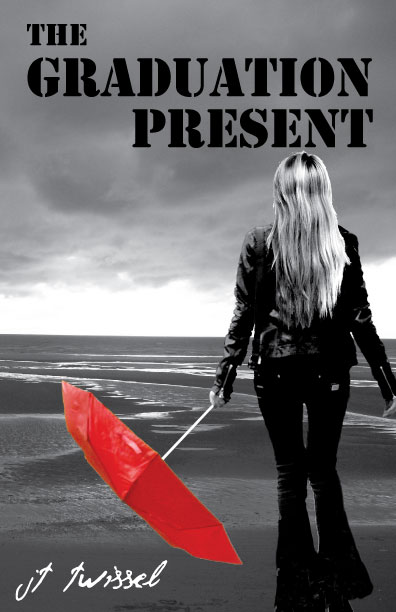
I guess you could say, without my Uncle Bob’s calm in the time of crisis, I would have been born on the kitchen floor. And how did I thank him? I wrote a book about the time I spent with him in Germany in 1970.
My mother had a predilection for stretching the truth. Thus I landed in Europe believing my long lost uncle was some sort of a spy.
Uncle Bob in his late thirties discussing top secret spy stuff over a beer with his friend Bruce, also a top secret spy.
He quickly disabused me of that notion. Below is an excerpt from The Graduation Present.
“Gilberto, did you get a look at the knockers on Lou’s new secretary?” Uncle Bob asked the driver as we drove along.
“Molly, you mean Molly, right?”
“Yeah, I guess that’s her name. You know, the big ones are fun to cuddle but there is something to be said for frisky little titties. The French have a saying that the perfect size tit fits into a champagne glass. What do you think of that Gilberto? You like the little bitty titties?”
“Ah, Uncle Bob. I’m in the backseat,” I reminded him.
“So? You got a thing against tits?”
“I can’t believe I actually thought you were a spy.”
“Spies don’t like tits?”
By the time the book came out (it only took me four decades), my uncle had retired to Florida with his church-going, Texas-loving second wife. She took great umbrage at my portrayal of her husband and threw the book away before anyone in her family could read such rubbish. I doubt she read much beyond the frisky little titties scene which is a shame because the book is really about a silly, clueless girl in a complicated world.
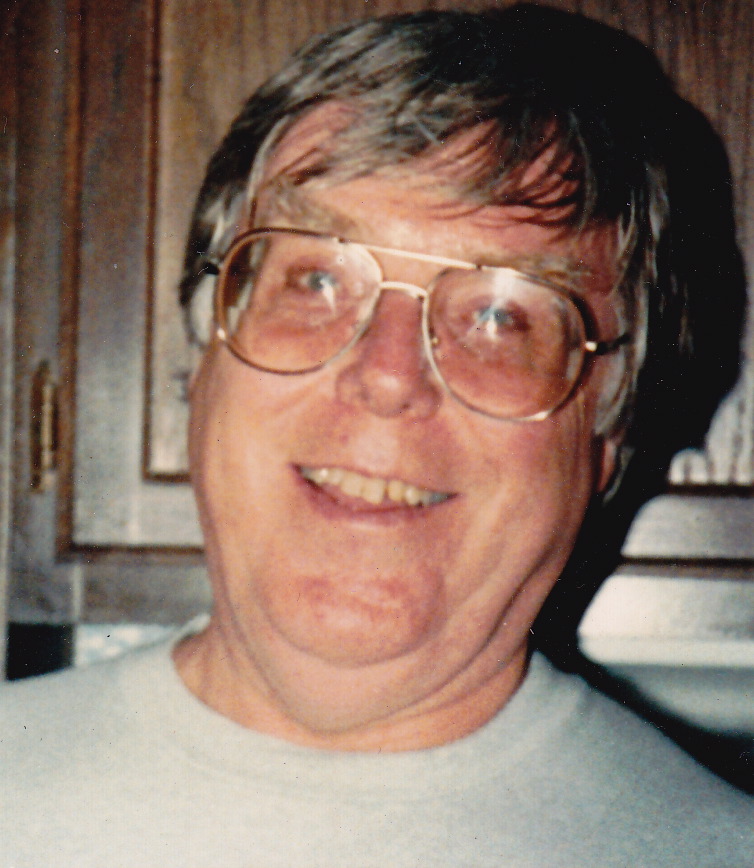
Robert Ross Jameson, April 1, 1936 – December 4, 2024.
Hope there’s lots of peanut butter up there in heaven! And, thanks for the lift.













 Saying nothing in particular